The Pantry Staples Every Home Cook Should Always Keep
Build a practical pantry of grains, canned goods, spices, oils, condiments, and baking basics, then turn them into fast, satisfying meals.
A well-stocked pantry makes everyday cooking easier because the most useful ingredients are already close at hand. Keep a practical mix of grains, canned goods, spices, oils, condiments, and baking supplies, then replenish what you use regularly rather than filling every shelf with specialty items.
The short version
- Stock versatile basics that can be combined in several ways.
- Store grains, spices, oils, and baking goods properly to protect quality.
- Label supplies and rotate them so the oldest ingredients get used first.
Build a Flexible Foundation of Grains
Rice, pasta, oats, and a grain or two for sides give you a dependable starting point for meals. White or brown rice works for bowls, stir-fries, and simple pilafs, while pasta can become a quick sauce dinner, a baked dish, or a salad.
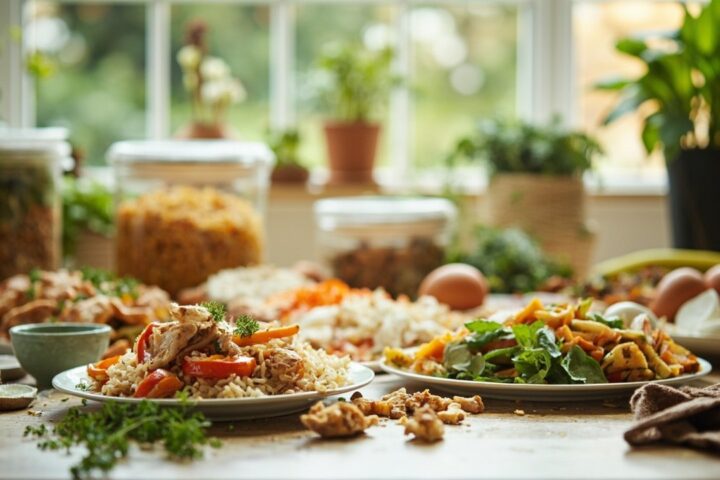
Rolled oats are useful beyond breakfast. Toast them with nuts or spices for a crunchy topping, or cook them into a savory grain bowl with vegetables and stock. A short-grain rice, couscous, or quinoa can also absorb dressings and sauces, making it especially handy when the refrigerator is sparse.
- Keep one family favorite rice and two or three pasta shapes.
- Add rolled oats for porridge, baked bars, and quick savory meals.
- Include a grain that cooks quickly, such as couscous or quick-cooking brown rice.
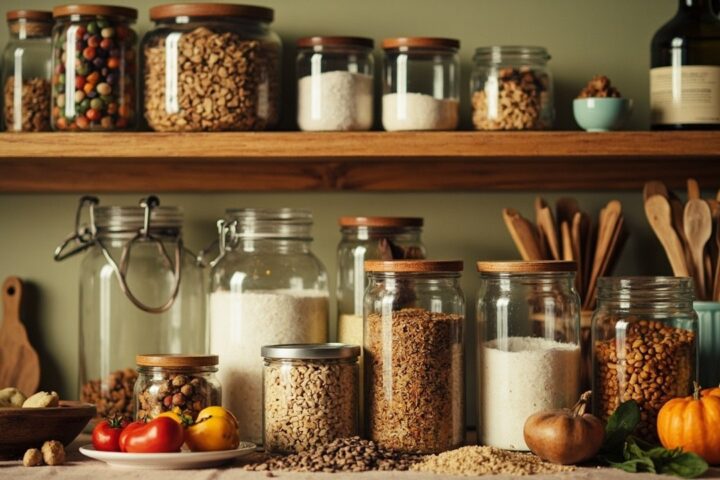
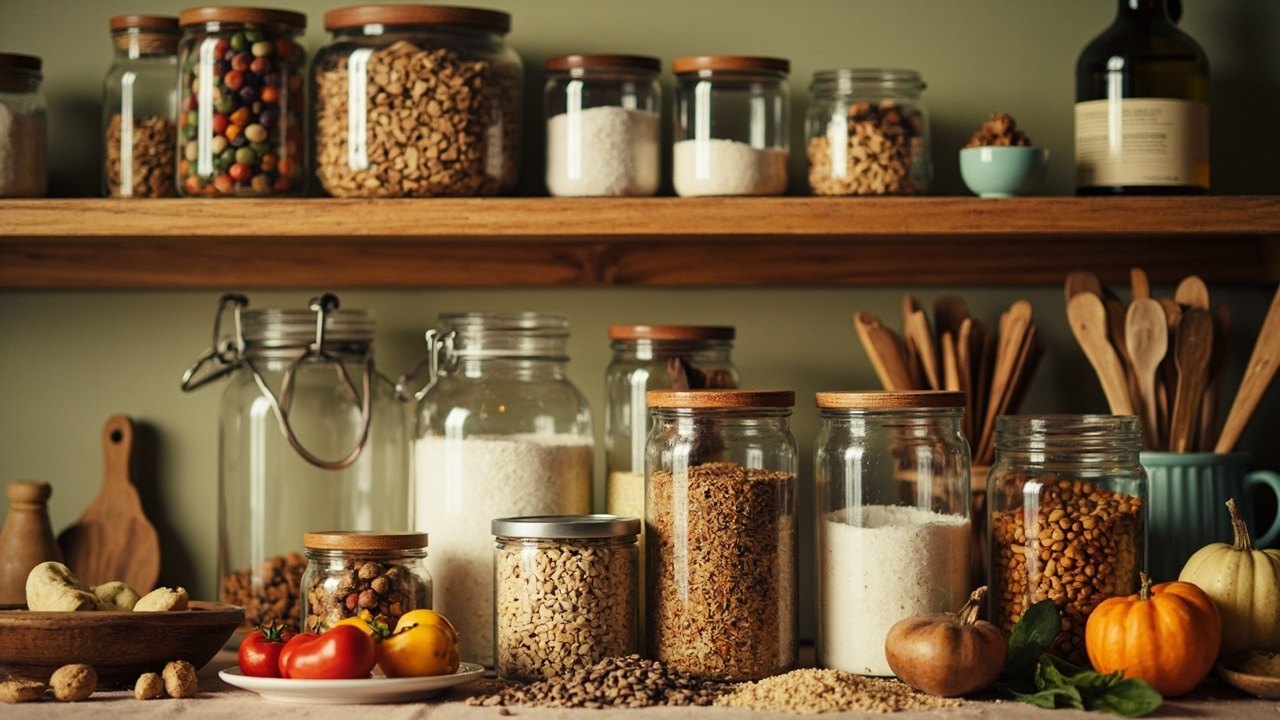
- Choose a separate container for each grain so the pantry stays easy to navigate.
Store grains in airtight containers in a cool, dry place. Buckwheat, wild rice, and other specialty grains are worthwhile if you enjoy them, but they should complement—not replace—the staples you actually cook.
Keep Tins and Jars That Save Time
Canned food is one of the most dependable parts of a practical pantry. Beans, chickpeas, and lentils provide protein and texture, while tomatoes offer the base for pasta sauces, soups, curries, and rice dishes. Canned corn, carrots, and other vegetables can be added to salads, stews, and grain bowls.
Broth and stock belong on the list too. A shelf-stable carton makes soup or risotto possible without much preparation, while canned coconut milk can turn vegetables, lentils, and curry spices into a complete meal. For richer cooking, keep a small tin of tomatoes and one type of beans you know you will use.
- Choose beans and lentils with minimal added salt when you want control over seasoning.
- Keep crushed tomatoes, whole tomatoes, and one flavored variety.
- Stock a shelf-stable broth or stock in a plain and a richer option.
- Add canned coconut milk if it fits your usual cooking style.
Give cans a quick check before storing them. Discard any that are leaking, badly dented, swollen, or show signs of spoilage; bulging cans should not be opened. Once opened, transfer beans and vegetables to a covered container and refrigerate them rather than leaving them in the opened can.
Choose Spices for Everyday Cooking
A compact spice collection can make the same pantry ingredients taste completely different. Begin with the basics: black pepper, cumin, chili powder, smoked paprika, dried oregano, and cinnamon. Garlic powder, onion powder, and mustard powder are also useful in marinades, sauces, casseroles, and roasted vegetables.
Buy whole spices when you have time to grind them, but do not keep an overwhelming collection. Ground spices lose aroma more quickly, so buy smaller quantities and replace them when their color and scent begin to fade. Label each jar with its name and purchase date so old stock does not get mistaken for fresh.
Use spices in layers rather than trying to disguise unfamiliar food with every jar on the shelf. For example:
- Warm cumin or smoked paprika in oil to release its aroma.
- Add garlic powder, onion, or chili for more depth.
- Add the main ingredient, followed by liquid or sauce.
- Season near the end and taste before adding more salt.
Keep heat-sensitive spices such as chili powder and paprika away from direct light and heat. A spice rack in a cabinet works well, but a drawer away from the stove is even better for protecting oils and flavor compounds.
Stock a Few Oils and Vinegars
Two or three oils cover most home cooking needs. Extra-virgin olive oil works for finishing salads, vegetables, and toast, while a neutral oil with a high smoke point is better for frying, sautéing, and baking. Sesame oil adds a distinctive flavor to noodles, vegetables, and marinades, although it is usually used as a finishing ingredient rather than a general cooking fat.
Vinegar belongs beside the oils because a small splash can brighten beans, grains, sauces, and roasted vegetables. Keep white vinegar for pickling and general use, and add red wine vinegar or balsamic vinegar if you frequently make dressings. A mild vinegar is also valuable for cooking greens and balancing rich sauces.
- Use olive oil for dressings and finishing.
- Keep a neutral oil for everyday heat.
- Add sesame oil for Asian-inspired dishes and dressings.
- Maintain one everyday vinegar and one specialty flavor.
Store oils in dark bottles or opaque containers away from heat and sunlight. Heat can encourage rancidity, especially in oils high in polyunsaturated fats. If an oil smells stale, bitter, or strongly unpleasant, replace it; smell is the clearest sign that it is no longer pleasant to eat.
Keep Condiments That Finish Meals Fast
Condiments are the shortcuts between a pantry ingredient and a meal with personality. Soy sauce adds salt and savory depth to grains, noodles, eggs, and vegetables. Mustard works in vinaigrettes, sandwiches, sauces, and roasted dishes. Ketchup, mayonnaise, salsa, and chili sauce can each serve as the starting point for a quick dressing or dip.
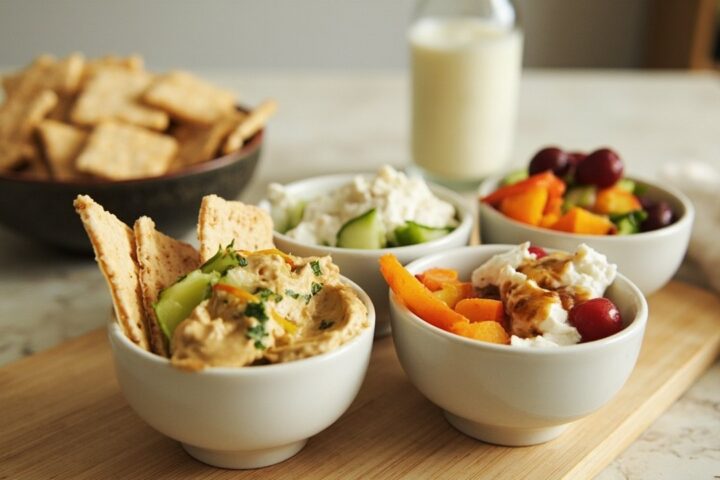
Honey or maple syrup balances sharp vinegar, mustard, and hot sauces. Tahini, hummus, and other nut or seed spreads make instant sandwiches, snack plates, and salad dressings. If you enjoy them, keep one or two rather than every popular variety.
Think about how condiments combine with your core staples:
- Mix mustard, vinegar, olive oil, and honey for a simple vinaigrette.
- Fold tuna, beans, or leftover grains with mayonnaise and pickles for a quick lunch.
- Add salsa to eggs, beans, rice, or baked potatoes.
- Use soy sauce and honey as a glaze for vegetables or tofu.
Check labels for ingredients you cannot eat, and be mindful of sodium when choosing canned goods and sauces. After opening, refrigerate condiments according to their labels and keep the original container covered. Clean the rim before replacing the lid to help preserve the contents.
Cover the Essential Baking Shelf
A home baker needs fewer supplies than many shop displays suggest. All-purpose flour is a versatile base for cakes, cookies, biscuits, and savory pastries. Keep rolled oats or another quick-cooking grain if you often make bars, and add whole-wheat flour when you prefer a deeper, nuttier texture.
Granulated sugar handles most baking, while brown sugar adds moisture and molasses flavor. Baking powder and baking soda are inexpensive and useful across many recipes, so keep them stocked and replace them periodically. A small amount of chocolate, vanilla extract, and cinnamon broadens what you can make without a fully equipped baking pantry.
- Include all-purpose flour, granulated sugar, and brown sugar.
- Keep baking powder and baking soda in clearly labeled containers.
- Add pure cocoa or chocolate chips for common desserts.
- Store nuts, seeds, or dried fruit in sealed containers to protect them from moisture.
Use airtight containers for flour and sugar, and keep them in a cool, dry cabinet away from the oven. Baking powder loses strength over time, especially if it absorbs moisture. Baking soda is more stable, but opening a fresh box for each batch is unnecessary; a properly stored container is sufficient.
Store Supplies Well and Rotate Them
The best pantry is not the one with the most packages; it is the one that stays organized and usable. Group items by category, use clear containers, and place the foods you cook most often at eye level or near the front. A simple list can also help prevent duplicate purchases.
Use a first-in, first-out approach. When you bring groceries home, move older products toward the front or write the purchase date on them. The same habit works for spice jars and baking supplies. Keep separate containers for opened packages rather than pouring them directly into larger jars, which makes it easier to notice when an ingredient needs replacing.
- Wipe the pantry shelves and check for leaks, pests, or damaged packaging.
- Group dry goods, canned goods, oils, and condiments by category.
- Transfer opened food into airtight containers when appropriate.
- Label items with their names and purchase or opening dates.
- Place older products in front and use them before newer ones.
Give the pantry a brief review every few weeks. Look for ingredients you rarely use, packages that are nearly empty, and items approaching the end of their shelf life. Plan a meal around what needs to be used, then add new staples based on that experience rather than on trends.
Frequently asked questions
How many pantry staples does a home cook really need?
Start with two grains, two or three canned goods, a handful of spices, two oils, two vinegars, and a few versatile condiments. Add baking supplies only if you bake regularly. Your actual cooking habits are a better guide than a universal shopping list.
Should pantry staples be refrigerated?
Most dry grains, flour, sugar, unopened canned goods, and properly stored shelf-stable condiments belong in a cool pantry. Once you open certain condiments or canned vegetables, refrigerate them according to the label. If a package needs refrigeration to remain safe, treat that guidance as the deciding factor.
How can I stop wasting food in the pantry?
Label what you buy, rotate older items forward, and check the pantry before planning weekly meals. Use half-opened tins of beans in salads or grain bowls, and turn leftover grains into soups, fried rice, or fritters. Buying smaller quantities of ingredients you rarely use can also reduce waste.
Build your pantry slowly, cook with it often, and adjust it to the meals you genuinely enjoy. A smaller collection of dependable ingredients is more useful than a crowded shelf of forgotten possibilities.