One-Pan Dinners for Easy Weeknight Cooking With Less Cleanup
Build satisfying weeknight dinners with one simple formula, smart ingredient timing, and five flexible combinations that keep cleanup to a minimum.
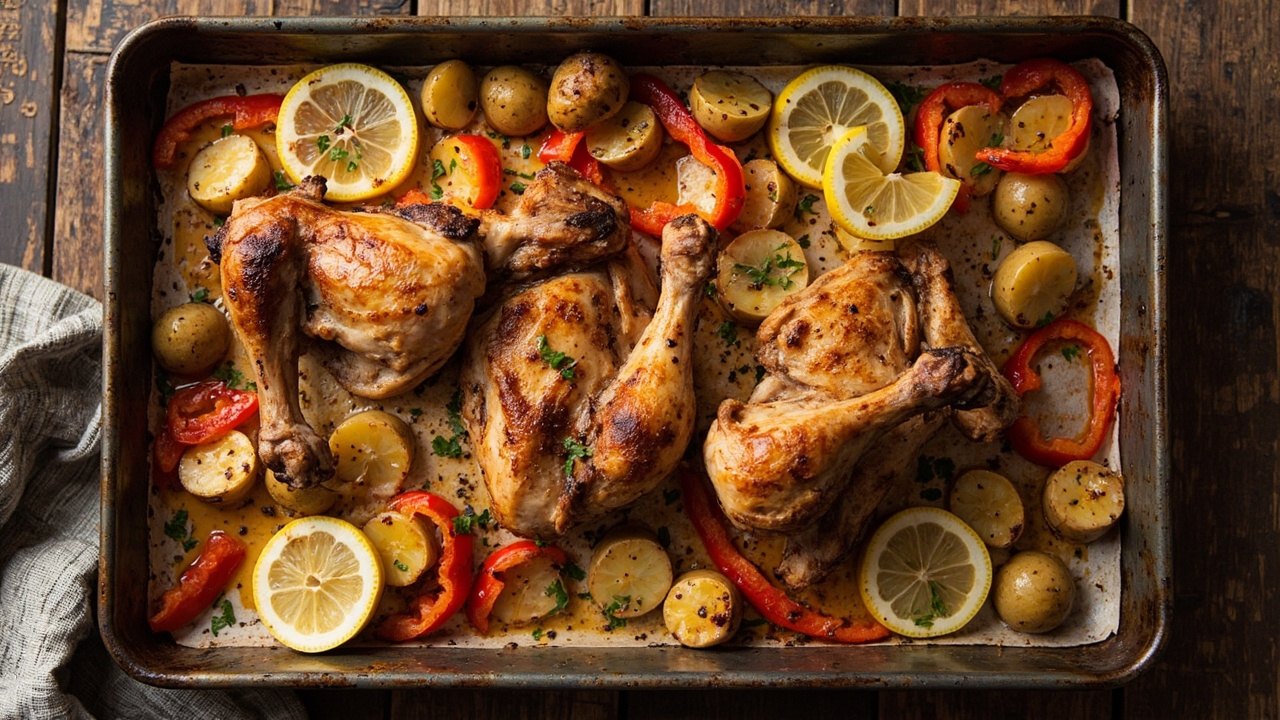
One-pan dinners make weeknight cooking easier because the protein, vegetables, starch, and sauce cook together on one sheet pan or in one skillet. The payoff is less washing up, but the real benefit is a simple way to assemble a complete meal without juggling several pots or complicated preparation.
The short version
- Choose one protein, one vegetable, one starch, and a bold source of flavor.
- Cut ingredients to similar sizes and add them in the order their cooking times require.
- Use a food thermometer, keep raw meat separate, and clean the pan promptly after serving.
Why One-Pan Meals Work So Well
A one-pan dinner puts nearly every component of the meal in the same cooking environment. Heat reaches the food from below, while the pan circulates warm air and drippings around the ingredients. That helps develop flavor on the surface and keeps the rest of the meal from drying out.
These meals are also forgiving. A sheet pan gives you plenty of room to arrange vegetables in a single layer, while a skillet works well for smaller portions or ingredients that benefit from direct contact with the pan. Either approach rewards a little planning: prep everything first, season as you go, and let the oven or stovetop do the work.
One pan does not mean everything must cook for exactly the same amount of time. The key is to group ingredients by their needs, adding them in stages when necessary. A quick marinade can season the protein while the oven heats, and a final spoonful of sauce or squeeze of citrus can brighten the finished dish.
The Basic Formula: Protein, Veg, Starch, Flavor
Start with one protein, such as chicken, fish, shrimp, ground beef, sausage, tofu, or a thick slice of pork. Add two or more vegetables for color, texture, and variety, choosing a mix of quick-cooking and sturdy options. A potato, rice, small pasta, corn, or another grain-like starch will round out the plate.
Finish with a concentrated source of flavor. This can be a marinade, salsa, pesto, mustard, curry paste, soy-based sauce, garlic, herbs, or a simple combination of oil, salt, pepper, and vinegar. Strong flavors often improve after roasting because moisture evaporates and the ingredients caramelize at the edges.
A practical formula for a sheet pan is:
- Protein: Cut boneless chicken, fish, shrimp, sausage, or tofu into evenly sized pieces.
- Vegetables: Use two or more, such as broccoli, peppers, zucchini, tomatoes, mushrooms, cauliflower, or green beans.
- Starch: Add small potatoes, sweet potatoes, corn, or another sturdy carbohydrate that can roast alongside the meal.
- Flavor: Toss everything with oil and seasoning, then add sauce or herbs during cooking.
For a skillet, the same formula applies, but keep the total amount of food manageable. Cook the protein first if it needs browning, remove it if necessary, and then cook the vegetables and starch in the seasoned pan before returning everything to the skillet.
How to Time Different Ingredients
Uniform pieces cook more evenly, so spend a few minutes cutting vegetables into similarly sized pieces. Pat meat and fish dry before seasoning, and avoid overcrowding the pan. If the ingredients touch too closely, they steam instead of roasting; use a larger sheet pan or a second batch when needed.
Order ingredients by cooking time. Dense vegetables, potatoes, and larger cuts of meat usually need the longest. Delicate items such as small tomatoes, leafy greens, thin fish fillets, and soft cheese usually come later. Dry ingredients benefit from direct heat, so leave space around them rather than burying them beneath wetter foods.
For a sheet-pan meal, preheat the oven and begin with the longest-cooking ingredients. Add quick vegetables during the final stretch, and top delicate proteins only when they are nearly tender. For a skillet, brown the protein first, then add vegetables and starch in batches. Cook the protein separately only when its cooking time differs so much from the vegetables that overcooking is likely.
Keep the heat moderate enough for the food to cook through without burning the pan. Stirring once or twice helps redistribute oil and sauce, especially with a skillet. If a sauce becomes too thick, add a splash of water or stock rather than a large amount of cold liquid.
Five Combinations to Put on the Table
1. Sticky Chicken, Broccoli, and Small Potatoes
Halve baby potatoes, toss them with oil, salt, pepper, and a little garlic, then roast until their edges begin to soften. Add bite-size broccoli florets and chicken thighs or boneless chicken breasts coated in a mixture of soy sauce, honey, and grated ginger.
Roast the chicken and potatoes together until the chicken is cooked through and the broccoli is tender-crisp. For a skillet version, brown the chicken first, remove it, and cook the potatoes and broccoli in the same pan before returning the chicken with the sauce.
2. Salmon, Asparagus, and Baby Potatoes
Roast small potatoes with lemon zest, olive oil, salt, and pepper until they are tender. Tuck asparagus alongside them, then add salmon fillets near the end of cooking so the fish stays moist.
Finish the salmon with lemon juice, capers, and a little olive oil. Keep the pieces separate if you want their delicate texture, or use a wide skillet to cook the potatoes and asparagus first and the salmon last.
3. Ground Beef, Broccoli, and Rice
Brown ground beef in a large skillet, breaking it up as it cooks. Drain excess fat, then add broccoli and a splash of water. Cover briefly so the broccoli softens while keeping some bite.
Cook rice separately, spoon it into the skillet, and stir in soy sauce, sesame oil, garlic, and a little rice vinegar. This works well as a one-skillet meal, but for a true sheet-pan version, spread cooked rice onto the pan, add the beef and broccoli, and finish with sliced scallions.
4. Roasted Cauliflower, Chickpeas, and Sausage
Break cauliflower into small florets and drain canned chickpeas thoroughly. Toss both with oil, smoked paprika, cumin, salt, and pepper. Arrange them in a single layer with sliced sausage and roast until the cauliflower is browned and the chickpeas are crisp.
Serve with a drizzle of tahini, lemon juice, or a yogurt-based dressing. For a skillet, cook the sausage first, then add the cauliflower and chickpeas and cover until they soften. Uncover near the end to crisp them.
5. Pork Chops, Peppers, and Sweet Potatoes
Cut sweet potatoes into small cubes and season them with oil, paprika, and a little cinnamon. Roast until lightly browned, then add sliced bell peppers and pork chops seasoned with salt, pepper, garlic, and herbs.
Let the chops rest briefly after cooking, then serve with the roasted peppers and a simple pan sauce. A skillet works especially well here: brown the chops, remove them, cook the sweet potatoes and peppers, and return the pork to finish with a splash of broth.
Food-Safety Basics for One-Pan Cooking
Use a food thermometer rather than judging doneness by appearance or color. Chicken and poultry should reach 165°F, ground meats should reach 160°F, and fish and shellfish should reach 145°F. Put raw poultry and ground meat in separate containers, and do not return cooked food to a pan holding uncooked meat juices.
Refrigerate leftovers within two hours, including the food and any sauce served with it. Let hot pans cool before washing them, but do not leave prepared food sitting out for long periods. Wash cutting boards, utensils, and your hands after handling raw meat, and clean the sheet pan or skillet after the meal.
Frequently asked questions
Can I use one sheet pan for every part of the meal?
Usually, yes, provided the ingredients have similar cooking times and the pan is not overcrowded. Dense vegetables and potatoes can start first, while delicate fish, greens, and quick vegetables can be added later.
What if I do not have a sheet pan?
A large skillet works for many of the same combinations, especially when the meal contains smaller pieces. You may need to cook in batches, but you can still use the same protein, vegetables, starch, and flavor formula.
How do I keep one-pan dinners from becoming dry?
Cut ingredients evenly, avoid crowding the pan, and add liquid only when the surface starts to look dry. A final splash of stock, a spoonful of sauce, or fresh lemon juice can restore moisture and sharpen the flavor.
With a simple formula and a little attention to timing, one-pan cooking turns everyday ingredients into dinners that are satisfying, flexible, and refreshingly easy to clean up.