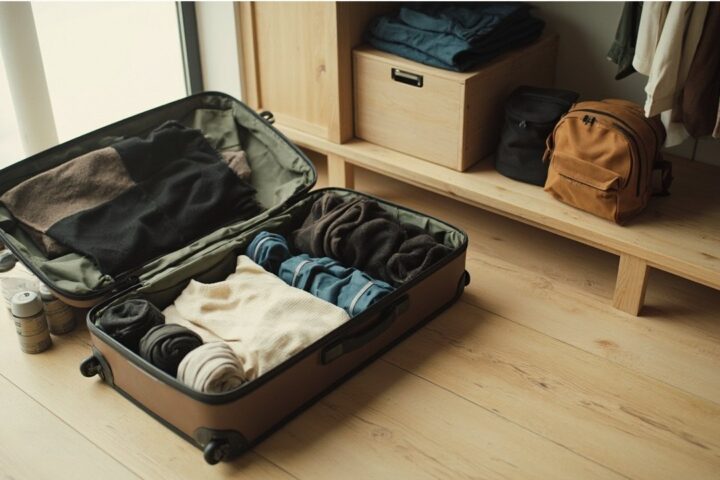
How to Pack a Carry-On for a Full Week Away Without Overpacking
Build a flexible seven-day capsule, pack it with purpose, and travel light without leaving essentials behind or wrestling with an overstuffed bag.
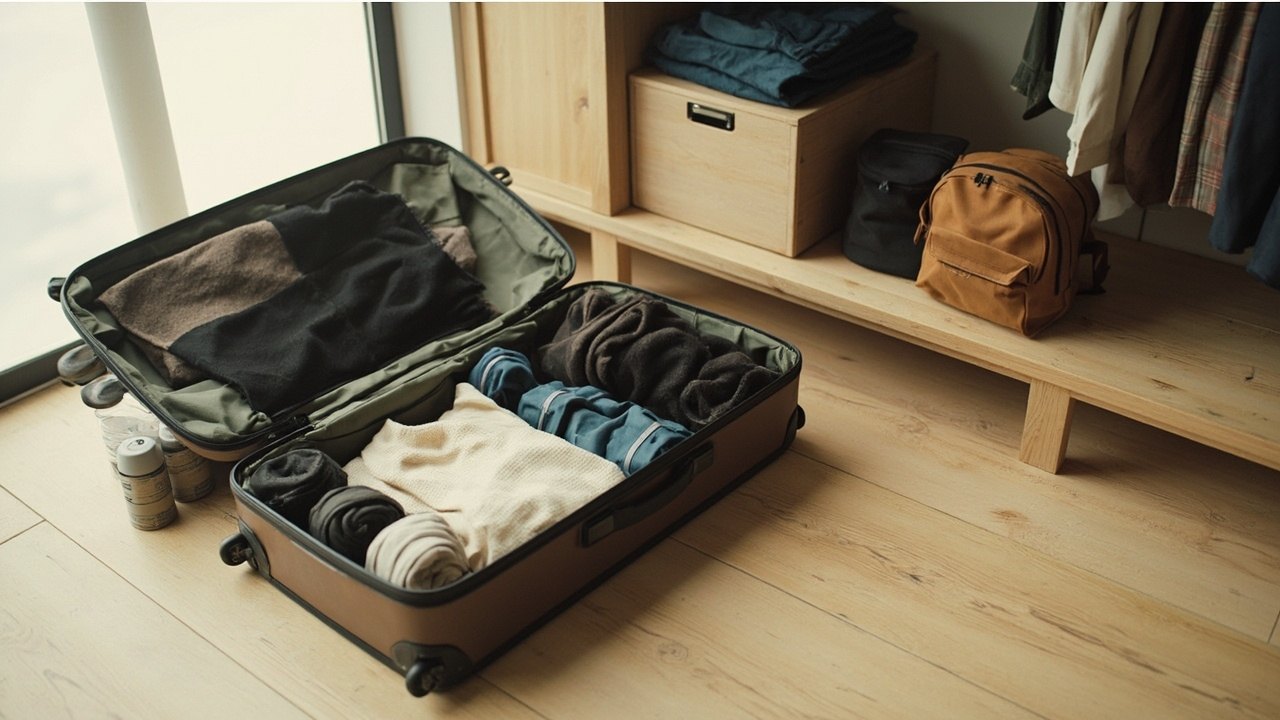
Packing a carry-on for a full week comes down to coordination, not compression: choose a small set of clothes that work together, organize them by category, and use the space inside your bag efficiently. A deliberate packing plan will keep your outfit choices simple while leaving room for the things that make the trip more comfortable.
The short version
- Build a capsule wardrobe around one neutral base and two complementary colors.
- Use packing cubes or small pouches to separate clothes, shoes, and toiletries.
- Wear your bulkiest outfit in transit and check every bag against your airline’s limits.
1. Start with Your Real Week
Before choosing individual pieces, sketch out what each day requires. A business trip may call for more polished clothing, while a mixed schedule might include a meeting, a long walk, dinner, and a day when you would rather wear the same comfortable outfit twice.
List your planned activities, then decide which clothes genuinely need to be distinct. Include a reliable bottom, a versatile top, and one outfit that can handle the most demanding part of the trip. You do not need a completely new look every day.
Check the weather and the destination’s dress culture next. Even when a forecast looks mild, a light layer can be useful on a cool evening, an air-conditioned train, or a breezy waterfront. It is also worth checking whether your accommodations provide towels, a hair dryer, or other items that would otherwise consume room.
Set a soft limit for your bag’s contents. If you are not sure whether an item belongs, leave it out. You can always plan to do laundry if a longer trip requires more variety, but a seven-day stay rarely does.
2. Build a Seven-Day Capsule Wardrobe
A capsule works best when every piece coordinates with several others. Start with two or three bottoms, five or six tops, one dress or alternate outfit, and a layer such as a cardigan, overshirt, or light jacket. Choose colors that share a common base so nearly everything mixes.
Neutral colors are especially useful because they create more combinations than a collection of unrelated prints. Navy, black, gray, white, denim, and beige can form a dependable foundation. Add one or two brighter pieces if you want a little personality, choosing colors that work with the whole group rather than only one outfit.
Think in outfit formulas instead of individual garments. A button-down shirt could be worn with trousers for a meeting, with jeans for a casual dinner, and under a sweater with a skirt. A knit top could pair with different bottoms and later serve as a layer over the dress.
Choose fabrics that resist wrinkles and can be reworn. Crepe, cotton blends, jersey, and many performance fabrics tend to recover well after being folded or compressed. Avoid packing delicate, easily creased, or highly structured pieces unless the trip specifically calls for them.
Limit shoes to the most useful pair or two. A comfortable walking shoe often earns its place by handling both transit and sightseeing. If another shoe is essential, make sure it is light enough to tuck into a corner or wear on the plane.
3. Organize Before You Pack
Organization prevents the accidental overpacking that happens when clothes are tossed into a suitcase without a plan. Group items into categories first, then transfer those groups into the bag in a deliberate order. Packing cubes or zippered pouches make this process faster, but clear bags or simple stacks work just as well.
Create separate groups for tops, bottoms, underwear, sleepwear, and accessories. Keep underwear and socks together, but do not compress them into a tight bundle. Their small size makes them useful space fillers around the edges of heavier items when packing gaps appear.
Place any liquids or items that could leak inside a sealed toiletry pouch. Keep jewelry, medication, glasses, chargers, and other small essentials in an easy-access personal item rather than at the bottom of the suitcase. That way, you can reach for them during transit without opening the main compartment.
Before closing each pouch, compare its contents with your item list. This is the best moment to remove something that duplicates another choice. If a garment does not complete an outfit or serve a specific purpose, it does not need to come along.
4. Choose Rolling, Folding, or a Combination
There is no single packing method that suits every garment. Rolling works well for shirts, trousers, leggings, and other flexible pieces because it creates compact bundles and makes individual items easy to find. Start by laying the garment flat, folding it in half lengthwise, and rolling from the hem toward the collar.
Rolling can expose sharp creases along the fold, so smooth each piece before you begin. Avoid rolling thick knits or heavily structured fabrics tightly; they may develop unwanted lines or take up more space than expected. For those items, a loose fold is often more practical.
Folding is a good choice for dress shirts, blouses, sweaters, and structured jackets. Use the folding method you know, press each layer flat, and place the most delicate pieces near the top of the bag. A clean sheet of tissue paper between folds can reduce friction, though it is not essential for every trip.
A mixed approach often produces the neatest result. Pack bulkier clothing flat, roll flexible basics, and place wrinkle-prone items near the top so they are not crushed by everything else. Fill empty spaces with socks, underwear, or a sweater rather than adding another outfit.
Place shoes in shoe bags or clean socks, and tuck them against the long side of the suitcase. If possible, wear one pair during transit. Keep the interior organized but avoid packing so tightly that every item must be extracted to reach something underneath.
5. Pack Toiletries Without Guesswork
Toiletry rules vary by destination, airport, and airline, so check the official guidance for your specific journey before you pack. Some rules concern container size, while others address the number of permitted items. The important point is to verify the current requirements rather than relying on what another traveler used last year.
Use a clear, refillable toiletry pouch that allows you to see the contents at once. A pouch is usually easier to pack than a rigid container, but you may still need separate travel containers if the rules call for them. Keep each container tightly closed and place the entire set inside a sealed bag.
Decant only what you need for the trip. For a shorter stay, carrying familiar products in small containers is often more convenient than buying full-size versions later. For longer stays, buying toiletries after arrival may free up valuable space, depending on where you are going.
Medication, contact lenses, glasses, and personal-care products that cannot easily be replaced deserve priority over optional extras. Keep essential medication in your carry-on rather than checked luggage, and make sure it remains accessible if you need it during the flight.
6. Use This Final Carry-On Checklist
Set the bag open near a clear surface and use this checklist as your final inspection. It is designed to cover a typical full week while allowing you to remove anything that does not match your actual plan.
- Clothing: two or three bottoms, five or six tops, one sleepwear set, one versatile layer, and one extra outfit if needed.
- Footwear: comfortable walking shoes and one alternate pair only if the schedule requires it.
- Undergarments and socks: enough for each day, plus one or two extra for unexpected delays.
- Toiletries: required personal-care products in compliant containers, with a sealed pouch.
- Health items: medication, glasses, contacts, and anything difficult to replace.
- Electronics: phone, charger, cable, headphones, and a power bank if you use one.
- Documents and money: identification, tickets or booking information, cards, and a small amount of cash.
- Comfort items: scarf, book, sunglasses, or other personal item you may want during the journey.
- Bag check: weight, dimensions, liquids, prohibited items, and room for a personal item.
Once everything passes the list, close the suitcase without adding “just in case” items. Leave a little space if you can, especially for souvenirs or purchases made during the trip. If the bag does not close comfortably, remove the least useful clothing before removing essential comfort items.
Frequently asked questions
How many outfits do I need for a week away?
Five coordinated outfits can cover a full week if you are comfortable repeating pieces, especially when tops are more versatile than bottoms. Add sleepwear, underwear, socks, and a layer, and consider one extra outfit for a formal occasion or a day when you want a full change.
Should I roll or fold my clothes for a carry-on?
Roll flexible garments to save space and make them easier to locate, but fold structured or delicate pieces. Many travelers use both methods, placing wrinkle-prone clothing near the top and heavier items underneath for protection.
Can I fit a week of clothes in a carry-on?
Yes, with a capsule wardrobe and careful organization. Choose coordinating pieces, wear bulky clothing and shoes in transit, pack toiletries according to current airline and airport rules, and remove optional items whenever the bag feels crowded.
Travel light not by packing less care, but by packing with a clear purpose. When every item earns its place and every outfit has a plan, your carry-on becomes easier to manage and your week away starts without the stress of sorting through an overstuffed bag.