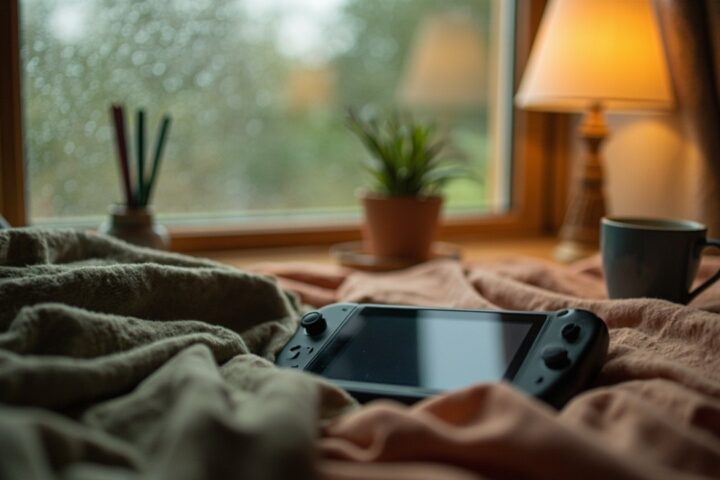
Why Cozy Games Have Become Everyone’s Comfort Habit
Cozy games offer satisfying routines, gentle challenges, and imaginative spaces that help players unwind—without demanding constant urgency.
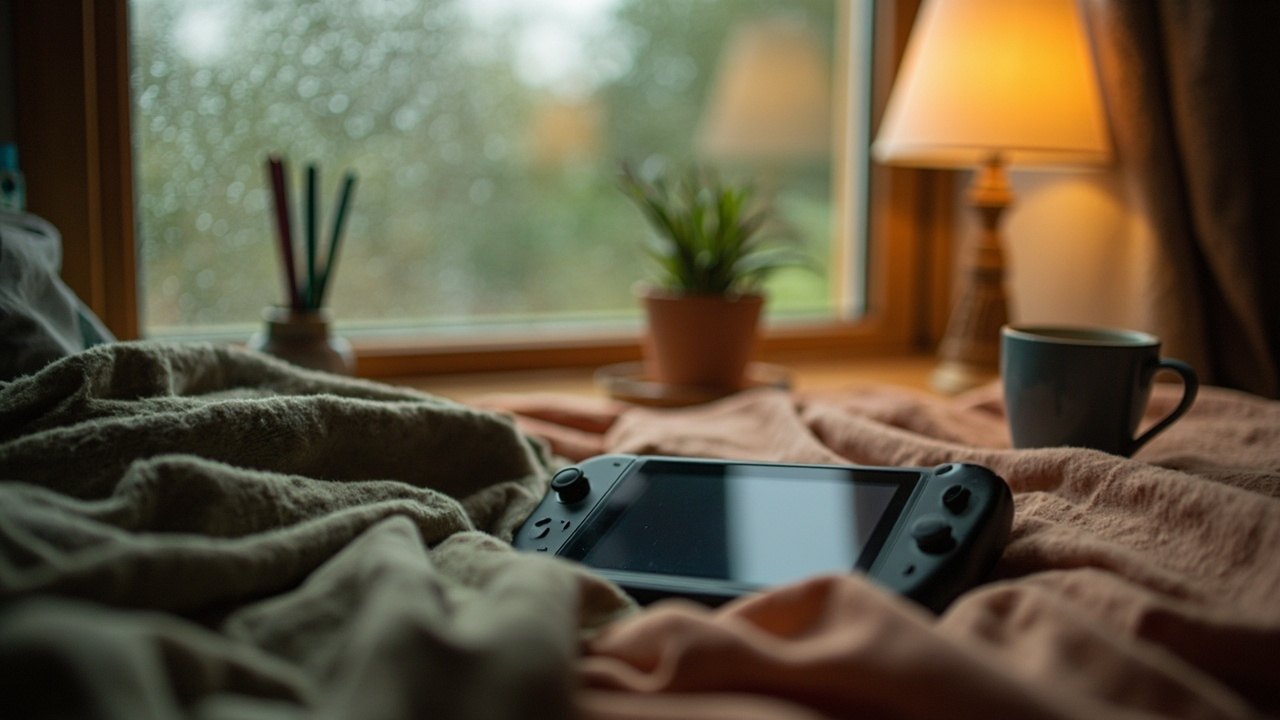
Cozy games have become a comfort habit because they give players satisfying structure without the pressure to compete, react quickly, or prove themselves. Their farming, decorating, puzzle, and everyday routines offer a change of pace: you make a plan, complete a few small tasks, and end with something visibly improved.
The short version
- Cozy games center on low-stakes goals, gentle challenges, and player-controlled routines.
- They appeal because progress feels tangible, forgiving, and easy to return to at your own pace.
- The best ones offer variety, clear goals, and enough challenge to feel engaging without creating stress.
What Makes a Game Cozy
“Cozy” describes an experience more than a single genre. A farming game may be cozy because there are no strict deadlines and the crops do not die while you are away. A puzzle game can be cozy when mistakes lead to an interesting new approach rather than a harsh penalty. A decorating game can be cozy when the main pleasure comes from arranging a space exactly as you like it.
The common ingredients are low pressure, gentle pacing, and visible progress. Many players describe cozy games as comforting because they still contain goals. There are gardens to tend, rooms to arrange, recipes to discover, or puzzles to solve. The difference is that those goals usually operate on the player’s terms rather than an external system’s schedule.
Personal expression matters, too. You can choose which crops to grow, which corner of a home to brighten, or which puzzle to attempt next. Even when the available choices are limited, they create a sense of agency. The game feels like a place to make small decisions, not a checklist that must be completed perfectly.
Why Comfort Is the Main Attraction
Cozy games answer a simple need: they make free time feel restful without making it feel empty. Starting a familiar routine can provide the shape of a day, especially when the rest of life is unpredictable. Watering plants, clearing a room, matching tiles, or preparing a meal offers an immediate sense of purpose.
The reward is often quiet but concrete. You can see a field become greener, a kitchen become more attractive, or a tangled set of shapes resolve into a neat solution. That visible change is satisfying because it stays attached to something you did. It is not merely a score moving upward; it is a space that reflects your choices.
Many players also value the freedom to slow down. There may be a goal to work toward, but it can wait. Cozy games rarely demand constant reflexes or punish an evening’s absence. This makes them easy to return to after work, during a break, or at the end of a difficult day.
Comfort does not mean the games are effortless or boring. A well-designed challenge can make a cozy session more engaging. The useful distinction is between pressure and challenge. Pressure says you must keep up or avoid failure. Challenge asks you to think, plan, and try again without making the stakes feel dire.
The Main Styles of Cozy Play
Farming and life-simulation games are among the most recognizable examples. You tend crops, care for animals, cook meals, gather materials, and improve a property. Their appeal comes from the rhythm of regular tasks and the transformation of an initially sparse space. The work is repetitive by design, creating a predictable rhythm rather than a dramatic escalation.
Decorating and building games place the focus on creative control. You might redesign a room, arrange furniture, create a garden, or construct a small village. There is rarely one correct aesthetic. That freedom makes these games useful for players who want to experiment, make choices, and see an idea take shape.
Gentle puzzles provide a different kind of comfort. A satisfying puzzle gives the mind something focused to do without requiring hours of intense concentration. Even a modest challenge can interrupt mental noise. Familiar rules, forgiving feedback, and attractive shapes or sounds add to the relaxed atmosphere.
Social and management games offer another variation. Running a café, organizing a household, caring for a community, or managing a tiny shop can feel cozy when the systems are forgiving. The story may be light, and the interactions may be warm, but the core activity remains grounded in simple decisions and steady progress.
Some cozy games mix these styles, which can be especially appealing. A gardening game might include crafting and exploration, while a decoration tool might offer puzzle-based design. Variety prevents the experience from becoming too predictable without sacrificing its relaxed character.
How to Find a Good Cozy Game
Start by choosing the kind of activity you enjoy outside a game. If you like organizing things, look for decorating or tidy-up games. If repetitive tasks are relaxing, farming and routine-based simulations may suit you. If you prefer a focused mental challenge, search for puzzles with gentle themes, unlimited attempts, or helpful hints.
Then consider the pace. A game advertised as relaxing may still have aggressive timers, difficult resource demands, or systems that punish experimentation. Look for descriptions that emphasize your own schedule, customization, exploration, or low-stakes goals. Reviews and player discussions often reveal whether the difficulty matches the mood.
Pay attention to the interface as well. Clear controls, readable menus, pleasant sound, and uncluttered screens can make a larger difference than expected. A game should make it easy to understand what to do next, then allow you to stop without feeling as though you have abandoned an important obligation.
It also helps to ask whether the game has lasting variety. A limited activity can remain satisfying, but regular tasks become more rewarding when there are new recipes, layouts, puzzles, or areas to discover. Some games update or expand over time, while others offer enough built-in variation to feel complete.
Finally, consider how much direction you want. Some players enjoy a strong suggestion of what to work toward, while others prefer open-ended creativity. The best choice depends on your mood. A focused routine can be comforting on one day, and a sandbox with no prescribed path can be ideal on another.
Building a Comfortable Gaming Routine
A cozy habit works best when it supports your day instead of competing with it. Choose a realistic session length and decide beforehand what would count as enough. You might water a few crops, complete one puzzle, or decorate a single room. Finishing with a small, intentional goal often feels better than pushing through a long list.
Use the game’s natural stopping points. Many routines include a daily cycle or a set of tasks that can be completed in a short sitting. Finish at the end of a chapter, after a puzzle, or once your character is ready for the next day. This creates a clean ending and makes it easier to return without wondering what you missed.
Keep a small collection rather than constantly switching between unfinished projects. A short rotation is useful: one game for gardening, another for puzzles, and a decorating game for creative evenings. This preserves variety without requiring you to relearn every system each time. Each game becomes a familiar activity rather than another piece of cognitive work.
Comfort also comes from reducing minor friction. Put the game where it is easy to reach, keep headphones or a controller nearby, and avoid saving a session for the end of an already exhausting day. A comfortable chair, moderate sound, and good lighting can make the experience feel more restorative.
Most importantly, notice whether the game is serving you. If it leaves you calmer and more patient, it is doing its job. If you feel pressure to complete chores, maintain an imaginary streak, or resent the time you spend, step back. The purpose of a comfort habit is to replenish your attention, not create another obligation.
Keeping Cozy Play Healthy
Even a gentle game can become difficult to stop if its reward loop is carefully timed. Short daily tasks may encourage repeated check-ins, while notifications can turn a relaxing activity into a persistent demand. If the game offers adjustable reminders, turn them off or set them to a time that suits you.
Set boundaries based on how you feel, not merely on how long you have played. A half-hour of decorating may be restorative, while an hour of menu management may become tiring. The same amount of time can feel very different depending on the activity and your state of mind.
Take occasional breaks away from the screen, too. Looking at a detailed field, arranging virtual objects, or solving puzzles still uses visual attention and fine motor control. Stretching, changing your focus, and resting your eyes can help the comfort extend beyond the session.
Try not to turn cozy games into a productivity tool. It is tempting to use them as a reward for completing work or as a way to avoid responsibilities. That can work as part of a balanced routine, but the game is usually more satisfying when it exists simply because you enjoy it.
Remember that rest does not have to look identical for everyone. Some people unwind through repetition, some through creative control, and others through orderly problem-solving. A cozy game is healthy when its pace respects your limits and its rewards support your well-being.
Frequently asked questions
Are cozy games good for stress relief?
For many players, yes. Their predictable tasks, gentle pace, and visible progress can shift attention toward something manageable and satisfying. The effect varies, though, so choose a game that feels comfortable rather than assuming every game labeled cozy will suit you.
Do cozy games have to be completely easy?
No. The best ones provide meaningful challenge without making failure feel punishing. Look for forgiving rules, adjustable difficulty, helpful guidance, and no system that punishes you heavily for experimenting or taking a break.
Can cozy games be played in short sessions?
Most are designed to accommodate shorter play periods, especially those built around daily routines or individual puzzles. Some tasks may progress automatically, but many games let you complete a useful unit of play in ten or twenty minutes and return later.
Cozy games endure because they offer what many forms of entertainment rarely provide: progress without pressure. Find one that matches the way you like to unwind, then return to it not because you must, but because the experience leaves you feeling better than when you began.