The Best Board Game Night Ideas for Every Kind of Group
Find approachable board games for parties, couples, strategists, families, and mixed groups, plus simple ways to teach rules and keep the evening flowing.
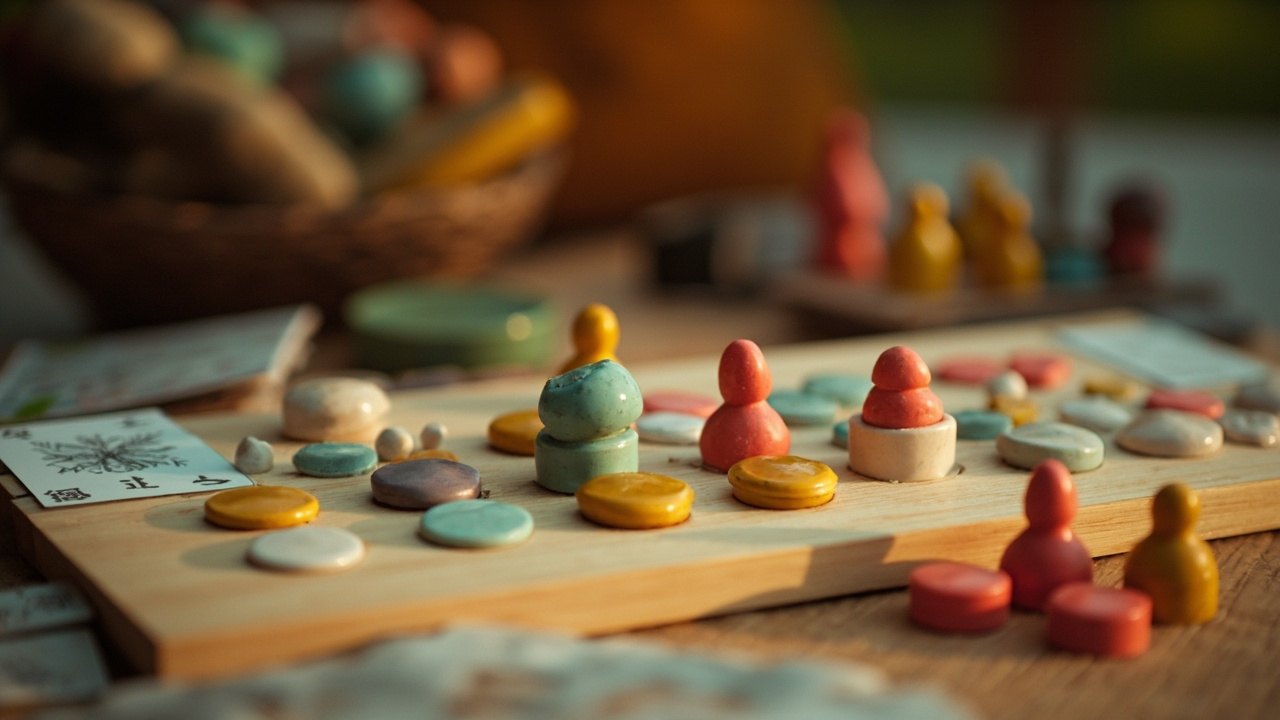
The right board game turns game night into an easy social occasion, whether your group wants laughter, teamwork, careful planning, or a focused two-player challenge. Choose a game that matches the group’s attention span, explain the rules in a few clear minutes, and keep the atmosphere relaxed enough for everyone to enjoy learning together.
The short version
- Match the game to the group: party, cooperative, strategy, two-player, or a friendly mixture.
- Teach only the essential rules first, then let players discover the details as they go.
- Prepare snacks that are easy to eat, choose a comfortable table, and stay flexible about pace.
Start With the Group You Actually Have
The most useful game choice begins with who is sitting around the table. A loud group of friends may prefer quick turns and playful competition, while a smaller gathering may enjoy deeper decisions without constant interruptions. Couples need games designed for two players, and families often benefit from games with short rounds or variable player counts.
Think about the mood you want rather than simply how complicated the game is. Competitive games can be tense, but they do not have to be hostile. Cooperative games create shared problem-solving, strategy games reward thoughtful planning, and party games keep conversation moving. You can even mix formats by starting with a quick game before settling into one that requires more attention.
- For a lively group: Choose a party game with simple rounds, team play, and plenty of chances for surprises.
- For focused players: Pick a strategy game with meaningful choices and a clear way to measure progress.
- For mixed experience levels: Choose a cooperative game where the group can learn by doing.
- For only two people: Look for a two-player design rather than forcing a multiplayer game into a date night.
Party Games for Laughs and Quick Rounds
Party games work best when the rules are instantly understandable and the outcome changes from turn to turn. Players should be able to join in without studying a long booklet, and rounds should end quickly enough that nobody has to wait too long for another turn. Light competition and humorous situations often create more memorable moments than complicated scoring.
Before starting, explain one action, one basic goal, and how a round ends. If the game includes teams, make sure players understand that everyone will work together in some way. When a rule is unclear, resolve it quickly and keep moving; prolonged arguments over edge cases can drain the energy better spent on playing.
- Remove the most complicated components until the game fits on the table and can be explained in under three minutes.
- Give players a simple first turn so they can see how the game works.
- Keep scores visible but do not turn the evening into a formal tournament.
- Play several rounds and let the group vote on whether to stop or try something new.
Set out snacks that do not require a plate, such as crackers, lightly salted nuts, cheese cubes, or cut fruit. Choose drinks that can be set down safely. The goal is to make interrupting the game easy, not so much that no one can hear the rules.
Cooperative Games for Shared Problem-Solving
Cooperative games are a strong choice when you want conversation rather than players sitting in separate thought bubbles. Everyone works toward a common objective, so the table can discuss ideas, compare observations, and regroup after a difficult turn. These games also suit groups with different levels of experience because players can contribute based on conversation, organization, or careful noticing.
When teaching a cooperative game, describe the overall objective first. Players often care more about preventing one shared setback than about earning individual points. Explain each player’s main action in plain language, demonstrate one turn, and then ask the group to explain the objective back to you. If their summary is accurate, you are ready to begin.
- Give the group a shared task for the first round, such as gathering resources, completing a pattern, or reaching a destination.
- Encourage players to name one useful idea before making a decision.
- Avoid turning every disagreement into a debate; choose an option, see what happens, and adjust next turn.
- Celebrate the group’s reasoning, not only the final result.
Cooperative play can become intense when a shared plan fails, so establish a friendly tone before the first move. Remind players that discovering the rules is part of the activity. A relaxed group is more likely to communicate, try another approach, and keep playing after an unexpected setback.
Strategy Games for Players Who Enjoy a Challenge
Strategy games suit groups that like making plans, managing limited resources, and thinking a few turns ahead. They can be deeply satisfying without being intimidating when you choose a design with a manageable set of actions. The key is to separate essential rules from optional details so newcomers can participate without a lengthy lecture.
Start by explaining the turn structure: what a player may do, when resources are gained, and how the game ends. Use physical pieces to demonstrate a basic turn and point out where players can see important information. Leave advanced rules until they become relevant, and answer specific questions as they arise.
- Choose a game with a moderate number of components and a short setup.
- Sketch or describe the overall path players are working toward.
- Explain the action that occurs every turn before explaining special abilities.
- Play the first round slowly, then increase the pace once everyone understands the structure.
- Allow a brief strategy discussion before the game begins, but limit midgame coaching to essential reminders.
Snacks for strategy night can be slightly more substantial because turns may take longer. Cut sandwiches into small pieces, serve bowls of popcorn, or arrange crackers with cheese and sliced fruit. Provide a clear way to discard wrappers, and keep drinks at the edge of the playing area. The table should feel welcoming without becoming cluttered enough to hide cards or obscure important choices.
Two-Player Games for Couples and Friendly Duels
A two-player game offers a chance to spend time with one person without treating the evening like a match between rivals. The best choices create enough tension to feel interesting but remain conversational. Some emphasize planning, others reward quick deductions, and others provide a satisfying sense of building something together over several rounds.
When introducing a two-player game, explain the interaction between the players rather than describing each rule separately. Newcomers often understand a game faster when they know what the other person is trying to do. Use one short example, then let each player complete a turn without correction unless a genuine misunderstanding occurs.
- For conversation, choose a game with decisions that reveal preferences or encourage shared jokes.
- For competition, use a game with quick rounds and a clear final score.
- For atmosphere, select a narrative game with choices, discoveries, and a moderate pace.
- For a complete evening, try a longer game that can be paused comfortably if plans change.
Set up the game before your guest arrives if the rules include a lengthy setup. During play, alternate between focused turns and light conversation. Avoid repeating the score after every small move, and let pauses happen naturally. Two-player games work best when the attention is shared rather than forced to fill every second.
Mixed Groups and Game Swaps
A mixed group does not need to agree on one favorite type of game. You can plan a short sequence that includes different social rhythms: one fast opener, one collaborative middle game, and one more thoughtful finale. This structure gives energetic players a place to shine while giving quieter guests a game in which careful observation matters.
Choose games that can be taught without carrying around several rulebooks. Leave complicated reference material outside the room if possible, and tell players to ask questions during play. If the group includes both confident rule-readers and complete beginners, ask each person to follow along with the quick explanation rather than taking over the teaching.
- Invite the group to suggest one thing they would enjoy before the games are revealed.
- Select one familiar format and one game with a different pace.
- Explain each game while the previous one is being cleared away.
- Keep a simple drink or snack available between rounds.
- Check in after the second game without asking whether everyone is having fun; invite suggestions instead.
A game swap is a useful fallback when a choice proves too complicated. Another rule of thumb is to decide in advance how many games you hope to play, not how many you feel obligated to finish. A satisfying game night can end while everyone still wants another round.
Make the Room Work for Everyone
Good hosting removes small obstacles before they become distractions. Clear the table, provide enough seats, and make sure each player can reach the relevant area. Use a large surface for games with boards, cards, and tokens, but keep food on a separate table or sideboard when possible. Nobody enjoys watching cards slide under a cracker.
Lighting should be bright enough to read rules and distinguish pieces without making the room feel stark. A warmer setting works well for longer games, while additional light helps during fast rounds. Keep music low enough that players can hear one another, especially if younger guests are present or any participant is still learning the rules.
- Prepare only the components needed for the first game to reduce setup time.
- Place instruction sheets face down so players follow the actual turn rather than reading ahead.
- Keep napkins, water, and trash nearby but away from the playing surface.
- Make room for spectators by setting up an adjacent activity during heavier games.
- Choose snacks that are easy to handle with one hand and do not crumble heavily.
Most importantly, let the group set the pace. Some nights benefit from two hours of concentrated play; others work better with several short games and plenty of conversation. A friendly host notices when energy is dropping and responds with a break, a snack, or a change of format rather than pushing everyone to finish.
Frequently asked questions
What is the easiest board game for a group of beginners?
An easy group game has a short setup, teaches through a simple action, and resolves each round quickly. Party and cooperative games are often beginner-friendly because players learn by doing, although choosing a design with a small number of components makes the first explanation much smoother.
How long should a board game night last?
Most groups are better served by planning two or three hours with at least one natural stopping point. That allows time for one substantial game or a few shorter rounds without making the evening feel endless. If guests are arriving from different places, begin with a quick game so everyone can settle in.
What are the best snacks for playing board games?
Finger foods that are easy to portion and eat without much mess are ideal. Crackers, cheese, fruit, sandwiches, and popcorn work well because they complement the setting without demanding much attention. Place them away from the game components, and offer water alongside any drink that could leave a sticky mark.
With the right mix of game, pace, and preparation, board game night can feel equally suited to a lively party or a quiet evening at the table. Let the group’s comfort guide the schedule, teach the rules simply, and remember that the board is only the beginning of a good night together.