Batch Cooking for Beginners: A Simple Sunday Plan
Turn one Sunday of cooking into easy lunches and dinners all week with four base recipes, a smart shopping list, and simple storage guidance.
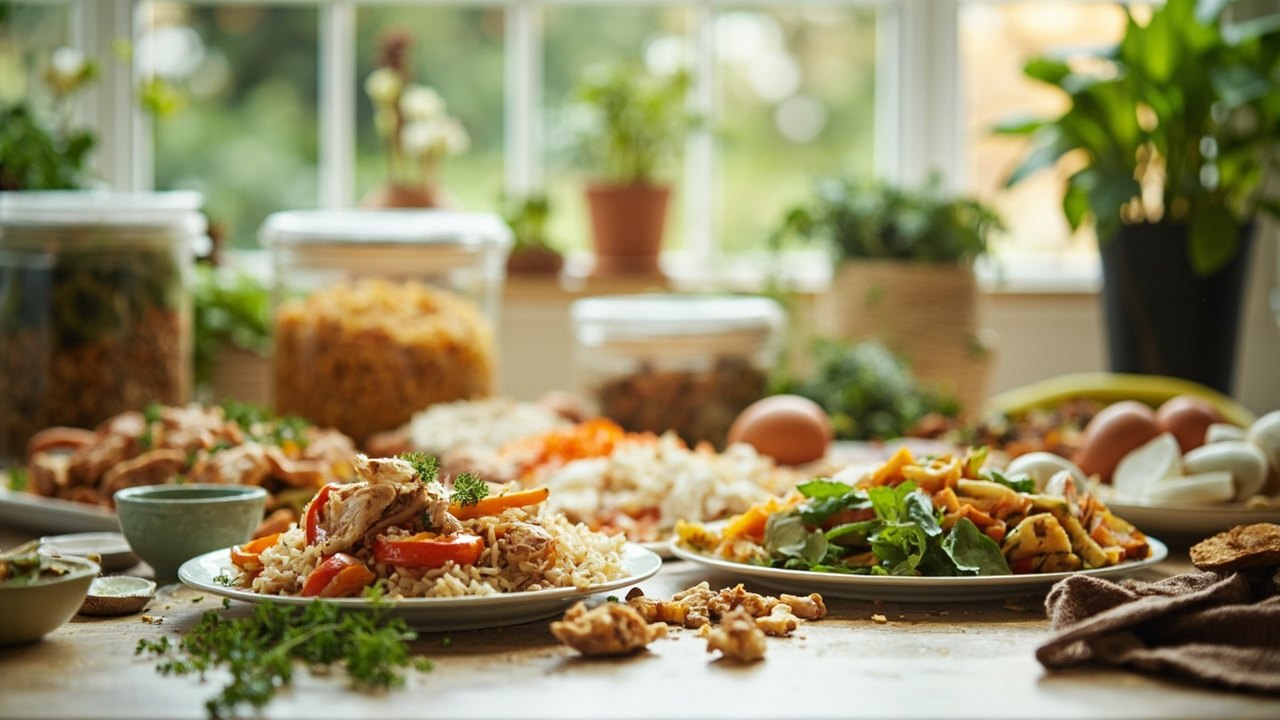
Batch cooking is simply preparing several ingredients or meals at once, then using them in different ways throughout the week. A beginner-friendly Sunday plan needs only four base recipes, one organized shopping trip, and a clear sequence for cooking, cooling, and storing everything.
The short version
- Cook rice, chicken and vegetables, lentil soup, and hard-boiled eggs.
- Shop by ingredient groups, then prepare the longest-cooking foods first.
- Cool food promptly, refrigerate it safely, and turn the basics into varied meals.
Choose Four Reliable Base Recipes
Keep your first batch-cooking session simple by choosing foods that store well, reheat conveniently, and pair with a range of extras. You do not need to make four complete dinners. Instead, prepare four building blocks that can become bowls, wraps, salads, soups, and plates.
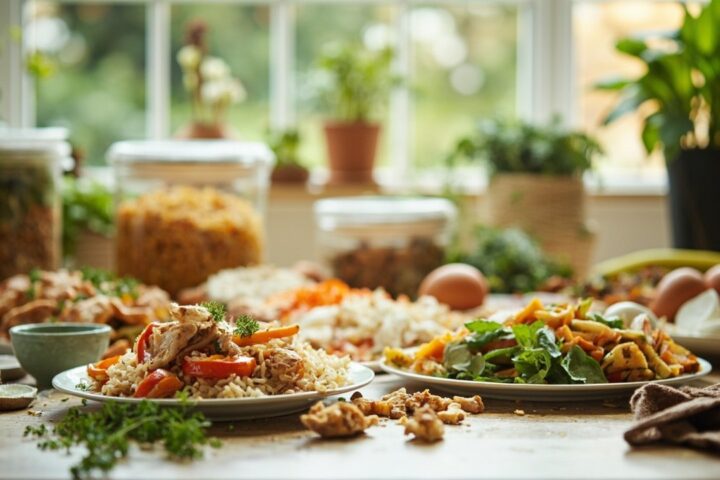
A practical starter plan includes steamed rice, a tray of chicken and vegetables, lentil soup, and hard-boiled eggs. Each component can stand on its own, but together they give you plenty of combinations. For example, add rice and vegetables to a bowl with egg, spoon soup over rice, or tuck chicken and vegetables into a warm wrap.
Choose one starch, one protein, one vegetable-heavy dish, and one soup or legume dish. Brown rice, quinoa, couscous, or noodles can fill the starch role. Ground beef, tofu, fish, or beans can take the place of chicken, while frozen or fresh vegetables can simplify the tray.
- Starch: Cook a large batch of rice and let it cool in shallow containers.
- Protein: Roast chicken thighs, bake tofu, or prepare another protein you enjoy.
- Vegetables: Roast a sheet pan of sturdy vegetables or steam them in a pot.
- Soup or beans: Simmer a simple lentil, bean, or vegetable soup for easy meals and snacks.
Make your recipes slightly simpler than usual on the first attempt. Avoid complicated sauces, fragile greens, and foods that become soggy when stored. Your goal is a useful supply of ingredients, not a perfect Instagram-style spread.
Build the Shopping List by Ingredient Group
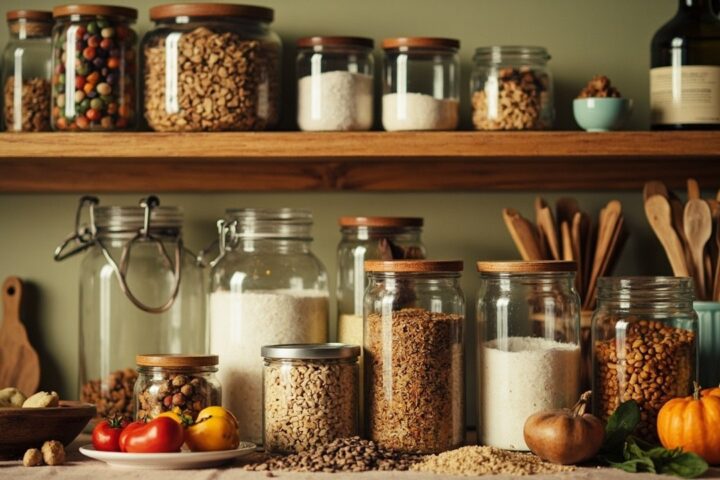
A shopping list organized by food group makes it easier to see what you have and prevents an unnecessary second trip. Begin by checking the pantry, then list fresh produce, proteins, dairy or plant-based additions, grains, and flavor basics in that order.
For the four-recipe plan, start with rice, chicken thighs, lentils, and eggs. Add onions, carrots, celery, and two or three vegetables that hold up well after cooking, such as broccoli, peppers, zucchini, or sweet potatoes. Fresh garlic, lemons, herbs, and a few condiments are enough to keep the meals from tasting repetitive.
Shop for flexible toppings rather than a different entrée for every planned meal. Good choices include grated cheese, plain yogurt, salsa, avocado, leafy greens, toasted nuts, and seeds. Pick up sandwich-friendly extras if you want wraps, such as tortillas, sliced cheese, or hummus.
- Check the pantry for rice, lentils, oil, salt, spices, and any sauce ingredients you already keep.
- Choose the fresh vegetables you will actually cook, plus a small salad or raw topping for later in the week.
- Select proteins according to the recipes and the number of people you are feeding.
- Add optional mix-and-match items near the end of the list so you do not forget them.
Buy only what you can use while the food is fresh and safe. Batch cooking reduces trips to the store, but it does not make spoiled ingredients last longer. If your plan is already full, skip the extras until you know which meals you want to make.
Prep in a Sensible Order
Set up your workspace before you start, including a cutting board, knife, measuring cups, mixing bowls, sheet pans, and enough clean containers for the finished food. Put everything within easy reach and keep raw meat separate from produce, bread, and ready-to-eat ingredients.
Start with the soup, since it can simmer while you prepare the other components. Wash and cut vegetables, then start the rice. While the rice steams and the soup simmers, season and arrange the chicken and vegetables for roasting.
- Make the lentil or bean soup, using enough liquid for a brothy texture that will thicken slightly as it cools.
- Wash and chop vegetables, keeping the pieces fairly even so they cook at the same rate.
- Cook the rice according to the package directions, using a larger pot than you think you need.
- Roast the seasoned chicken and vegetables, checking that the chicken reaches a safe internal temperature of 165°F.
- Boil the eggs, cool them under running water, and peel them once they are cool enough to handle.
- Portion the food while everything is still warm enough to steam slightly and escape moisture.
Keep the process moving without turning it into a marathon. You can begin the soup and rice while the oven preheats, and you can cook eggs while the chicken finishes. A little overlap saves time, but rushed handling can lead to uneven cutting and messy storage, so leave a few extra minutes for cleanup and labeling.
Cool and Store Everything Safely
Safe cooling is an essential part of batch cooking, not an afterthought. Do not leave cooked food sitting at room temperature for more than two hours, and begin transferring it to the refrigerator promptly. Large, deep containers cool slowly, so divide soups, rice, and hot ingredients into shallow portions.
Spread food in shallow containers or a sheet pan so heat can escape quickly, then refrigerate it once the steaming has subsided. Your refrigerator should be at or below 40°F, and the food should be fully chilled before you cover and stack the containers. If you have a large batch, divide it among several small containers rather than crowding one deep bowl.
- Keep raw meat and poultry separate from cooked food, and use separate cutting boards when possible.
- Label each container with the dish and the day you prepared it.
- Use clear containers so you can quickly check the contents and portion size.
- Plan to use most refrigerated meals within three to four days; freeze portions you will not eat in that period.
Cool soup with the lid slightly ajar or divide it into shallow containers so steam does not trap inside. For rice, cool it promptly and refrigerate it in shallow portions rather than leaving a large mound on the counter. This is especially important because cooked rice can support harmful organisms if it is kept warm or left at room temperature for too long.
When reheating, stir food so the center heats evenly and heat it to 165°F. Bring soup to a full simmer, and heat rice until steaming throughout. If a container smells unusual, appears discolored, or has been stored longer than planned, throw it away rather than relying on appearance alone.
Freeze meals that will not be eaten soon, especially soup, rice, chicken, and cooked beans. Leave a little room in the container for expansion, cool the food thoroughly, and freeze it promptly. Thaw refrigerated portions in the refrigerator, not on the counter.
Turn the Basics Into Different Meals
The easiest way to make batch cooking feel interesting is to change how you serve the same ingredients. Keep the flavors basic at first, then add bright or crunchy elements just before eating. That way, every container does not need to be a complete, perfectly balanced meal.
- Rice bowl: Add chicken, roasted vegetables, a spoonful of yogurt or salsa, and a scattering of herbs.
- Burrito bowl: Combine rice, chicken, beans, corn, peppers, cheese, and a simple tomato or salsa topping.
- Wrap: Fill a tortilla with chicken, rice, vegetables, and a creamy sauce or salsa.
- Salad plate: Pair chopped vegetables and egg with greens, then add rice or chicken if you want more substance.
- Soup and toast: Serve lentil soup with sliced vegetables, a boiled egg, and whole-grain bread.
- Grain bowl: Mix quinoa or rice with roasted vegetables, lentils, and a dressing made from olive oil and lemon.
Save delicate or highly perishable toppings, such as leafy greens, avocado, and fresh dairy, for the day you eat them. Store sturdy vegetables, proteins, rice, lentils, and boiled eggs separately when possible. This gives you more control over texture and prevents a bowl from becoming watery.
Mix and Match Through the Week
Write a loose meal map before you put the containers in the refrigerator. You do not need to schedule every item precisely, but a simple plan helps you use the food before the oldest batch expires. Place newer items toward the front and move older portions to the front as the week progresses.
For example, use one container of soup for an early lunch, then combine another portion with rice and vegetables later. Add roasted vegetables to eggs for breakfast, fold them into a wrap for dinner, and serve them beside lentils on another day. A small jar of dressing or sauce can make leftovers feel like a new meal.
Keep three condiments nearby and let each one create a different style: salsa for a Mexican-inspired bowl, mustard and vinegar for a sharper grain salad, or yogurt with lemon and herbs for a creamy plate. Strong flavors such as curry, chili crisp, pesto, or pickled onions can also vary the same base ingredients without requiring more cooking.
Batch cooking is not meant to leave you eating identically every day. It gives you a dependable supply of food and removes the hardest decisions. If you are short on time, build a bowl from two or three components. If you have more energy, turn one container into soup, a plate, or a wrap.
Frequently asked questions
How long do batch-cooked meals last in the refrigerator?
Most cooked foods, including chicken, rice, soup, and vegetables, are best used within three to four days when kept properly refrigerated. Freeze anything beyond that window. Always follow any stricter guidance on the packaged food you use and discard food that has been left unsafe or stored incorrectly.
Can I freeze rice and cooked chicken?
Yes, both freeze well when cooled promptly and divided into shallow portions. Freeze them in separate bags or containers, or combine them with sturdy vegetables for a convenient meal. Thaw in the refrigerator and reheat until steaming throughout before serving.
What if I do not want to cook chicken?
Replace the chicken with tofu, tempeh, canned beans, or another protein you enjoy. Adjust the cooking time and check the package or recipe for proper doneness. A tray of roasted vegetables plus lentils and rice still provides plenty of mix-and-match possibilities.
Start small, cook once, and let the leftovers become next week’s shortcuts. With four dependable basics and a little planning, Sunday cooking can make ordinary weekdays feel much more manageable.