How to Plan Your First Solo Trip Without the Stress
Choose the right destination, build smart safety habits, and prepare for every part of going alone with confidence.
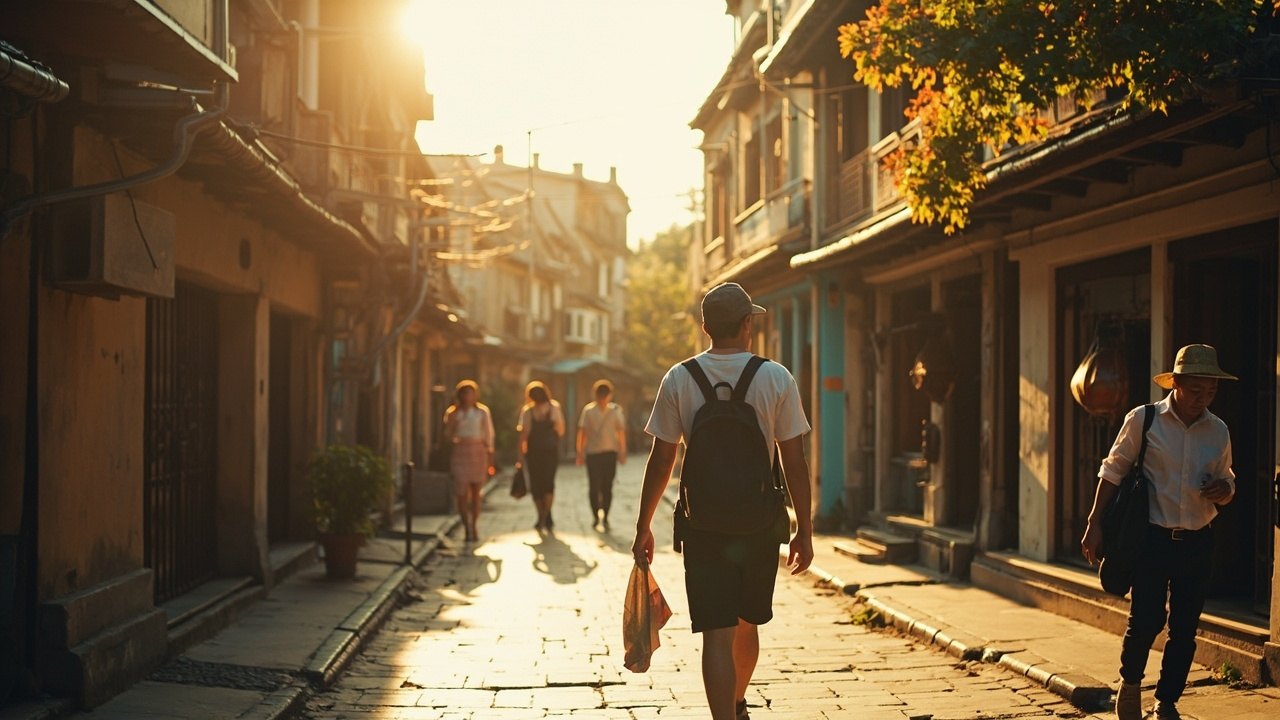
Planning your first solo trip is less about creating a flawless itinerary and more about choosing a destination that matches your comfort level, preparing practical systems, and accepting that some moments will be imperfect. A thoughtful plan gives you freedom to explore while making unfamiliar places feel easier to navigate.
The short version
- Choose a destination with easy transportation and plenty to do.
- Share your plans and keep your daily routines flexible.
- Prepare documents, backup contacts, and small comforts before leaving.
Choose a destination that fits your travel style
The best first destination is not necessarily the most exciting or faraway one. It is the place where you can move around comfortably, find activities you genuinely enjoy, and recover easily from a tired day. Think about the kind of trip you want rather than the image you think a solo traveler should take.
A city with reliable public transportation, walkable neighborhoods, and varied attractions can be an easy first choice. Museums, cafés, bookstores, parks, and organized tours provide structure without making every day feel scheduled. A smaller town may suit you better if a slower pace, clearer landmarks, and fewer transfers appeal to you.
Nature destinations can also work well, but they require more attention to conditions and access. Before booking, check weather patterns, trail information, seasonal closures, and how you will reach your accommodation. Make sure the activities are within your current ability rather than relying on a checklist of destinations you hope to complete.
- Consider how much planning and navigation you enjoy.
- Check whether lodging is easy to reach from the airport or station.
- Look for a place with varied indoor and outdoor activities.
- Review entry requirements, local guidance, and transportation options.
Build safety habits before you arrive
Use your first trip to establish routines that feel natural. Save the local emergency number, your accommodation address, and the contact details for your insurer or relevant assistance service in your phone. Learn a few useful phrases, such as how to ask for directions or request help, even if the language is familiar to you.
Research neighborhoods as you would any part of a new city, but avoid treating general guidance as a prediction of what will happen. Pay attention to how you enter and leave your lodging, keep valuables out of sight, and use official transportation when practical. If an area or attraction does not feel comfortable, leave and choose another option.
Walking with your phone visible can be useful in busy places, but put it away when you do not need it. Stay alert near roads, stations, and waterfronts, especially after dark. Trust your sense of discomfort rather than worrying that you are being unreasonable. Confidence usually comes from preparation, not from pretending every situation is perfectly safe.
Share your plans without giving up your independence
Tell someone you trust where you are going and when you expect to return. A simple itinerary with your flight or train details, accommodation, planned activities, and backup contact information is enough. Set a check-in time for each major part of the trip, especially when visiting a remote area.
Live location sharing can be helpful, but use it selectively and turn it off when it is no longer needed. Some travelers share their general route; others send a daily message after checking into the accommodation. Choose the method that feels comfortable, and do not feel pressured to post every move publicly.
- Create one master note with essential booking details.
- Store copies of key documents in a secure place.
- Arrange regular check-ins with a trusted person.
- Keep a written list of addresses and local contacts.
Make meeting people easier and safer
You do not have to arrive with friends to have a social trip. Many people find that a few low-pressure activities make solo travel more enjoyable. Hostels, walking groups, language exchanges, cooking classes, meditation sessions, and community events create natural opportunities to talk without requiring you to begin with a large group.
Start with a public place and let the interaction develop naturally. Choose somewhere you can see others around you, and tell your accommodation or contact where you are going if you plan to meet someone unfamiliar. Avoid moving a first meeting to a private location simply because you feel obliged to.
Be equally clear when you need quiet time. A polite “I am taking a rest day, but I would love to join you tomorrow” is enough. Solo travel is not a test of constant sociability. Your best balance may be planned conversation at meals, spontaneous company during an activity, and solitude later in the day.
Turn solo dining into a comfortable ritual
Eating alone can feel awkward before you have done it, but restaurants are full of people doing exactly what you are doing. You are not interrupting anyone or failing to meet an unspoken travel rule. Choose a place with a relaxed atmosphere, and give yourself permission to take your time.
At the start of a trip, visit cafés or casual restaurants where the ordering process is simple. Counter seating can make a solo diner feel more comfortable, while a small table by a window offers a change of view. Trying a dish you recognize can reduce pressure on a first visit; you can explore more unfamiliar choices once you feel at ease.
- Book a table when the restaurant is busy or unusually formal.
- Bring a book, journal, or earbuds for waiting and travel time.
- Ask the server for a recommendation if you cannot read the menu.
- Have an easy meal ready for days when you do not want a restaurant.
Prepare for loneliness without trying to eliminate it
Some solo travelers feel liberated by unstructured time, while others miss familiar company. Both reactions are normal, and they may change from one day to the next. Loneliness is more manageable when you have planned for it rather than expecting every evening to be carefree.
Before departure, ask a friend or family member to be available for a scheduled call during the first few days. A brief conversation at home can settle your nerves and remind you that distance is temporary. After that, try making one plan each day: a museum, a long walk, a class, a meal somewhere new, or an afternoon in a park.
Give yourself something satisfying to return to after an outing. It might be a shower, a favorite snack, a playlist, or a journal entry. On harder days, reduce the itinerary rather than filling every hour. Rest is not wasted time; it makes the rest of the trip more enjoyable.
Pack lightly, but protect the essentials
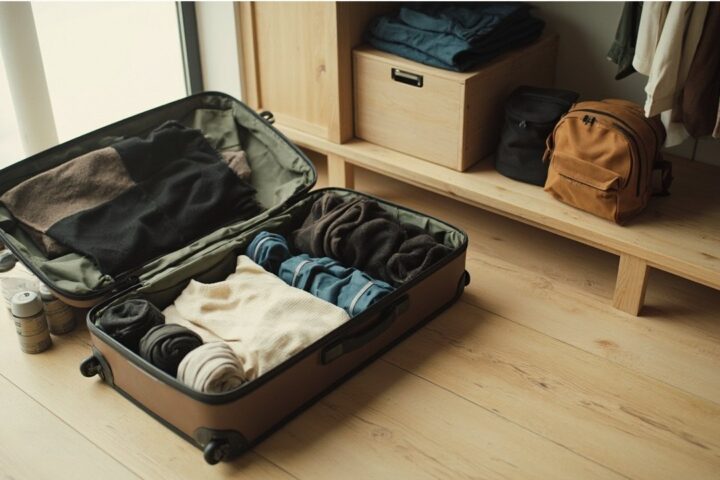
Before packing, lay out your itinerary and identify what each planned activity requires. A compact bag is easier to manage on stairs, buses, and unfamiliar streets. Choose clothing that works across different temperatures, comfortable shoes for long walks, and layers you can add or remove.
Keep medication, identification, payment cards, a charged phone, and a power bank in your carry-on rather than a checked bag. Bring only what you genuinely need for health and accessibility, along with basic repair items. Leave room for purchases, but resist packing “just in case” items that make the bag difficult to manage.
Documents deserve special attention. Check the official requirements for your passport, visas, and any activities requiring identification. Carry the required originals, keep secure digital copies, and know what to do if your phone is lost or damaged. Pack necessary prescriptions and basic supplies, and ask a pharmacist or medical professional before carrying medication internationally.
Travel insurance may be useful depending on your health, activities, and the assistance available at your destination. Read what it covers, what it excludes, and how to make a claim. Then place the policy details with your other important documents rather than leaving them in an email you cannot access offline.
Frequently asked questions
What is the safest type of destination for a first solo trip?
There is no single safest category, but a destination with reliable transportation, clearly marked attractions, and easy-to-reach lodging can simplify matters. Choose somewhere you understand well enough to navigate, and favor familiar accommodation near public services when you are uncertain.
How often should I check in with someone at home?
Set a rhythm before leaving, such as a daily message and a longer check-in on days you will be away from your accommodation. Adjust the schedule for the trip, but keep one trusted person informed if your plans change unexpectedly.
Should I eat and spend time alone without feeling awkward?
Yes. Solo dining and quiet time are normal parts of independent travel, and no one else needs to share your table or plans. A little preparation can make the experience more comfortable, but it is worth treating it as an ordinary part of the trip rather than a problem to solve.
Your first solo trip will teach you which parts of independence you enjoy and which ones you want to make more comfortable. Keep the itinerary light, share the important details, and let curiosity lead the way. The goal is not to travel without uncertainty, but to know you can handle it.