A Calm, Room-by-Room Plan for Decluttering Your Home
Clear one room at a time with a simple sorting system, practical resets, and thoughtful ways to preserve what truly matters at home.
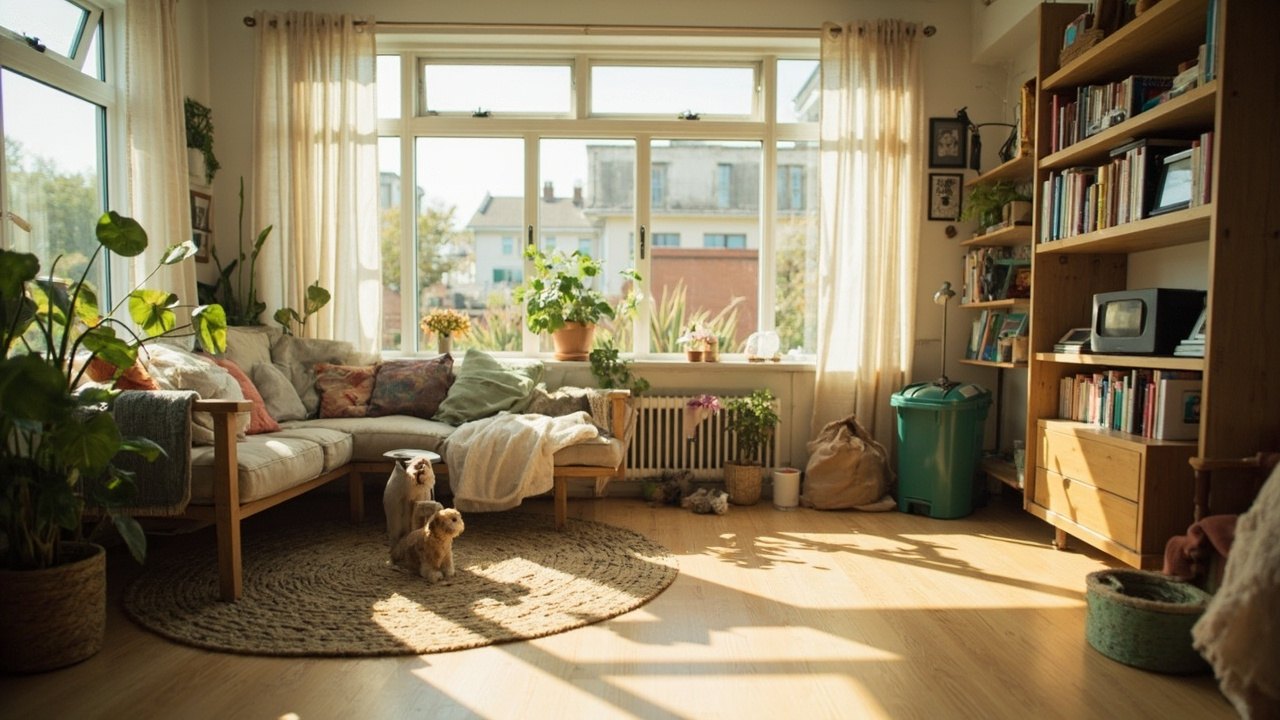
Start with one manageable room, not the entire house. A calm plan means sorting each item into a clear destination, making focused decisions area by area, and finishing with a reset that makes clutter less likely to return. You do not need a perfect home or an empty shelf; you need a home that feels easier to use.
The short version
- Work in small, defined spaces and set a stopping point.
- Use four destinations: keep, relocate, donate and recycle.
- Finish every session by clearing surfaces and assigning homes to everyday items.
Begin with a Simple Decision System
The fastest way to become overwhelmed is to face everything at once. Instead, choose a small area such as one countertop, a single shelf or a drawer. Set a timer for 30 or 45 minutes, gather a few sorting containers, and write down where those items belong before you begin.
- Keep items you use regularly, need for safety or genuinely value.
- Relocate anything that belongs somewhere else but should stay in the home.
- Donate usable items in good condition that you no longer want.
- Recycle materials accepted by your local recycling program.
- Discard anything damaged, unsafe or too worn to be useful. Do not let this category become a place to hide difficult decisions.
Move through the space one surface or container at a time. Pick up each item, decide where it goes and place it directly with its destination group. This prevents a pile of “maybe” items from spreading across the room and making the job feel larger.
Use simple containers rather than buying elaborate organizers. A laundry basket can hold donations, a sturdy box can collect items to relocate and a trash bag can hold recycling. Their temporary job is to keep the sorting process visible and uncomplicated.
Give yourself permission to make faster choices in obvious areas. A dish towel with a loose thread, paperwork that is no longer relevant or a broken household tool rarely deserves a long deliberation. Save your careful attention for items with history, financial significance or sentimental value.
Tackle the Entryway and the Spaces You Use Most
The entryway sets the tone for the rest of the home. Shoes, bags, keys, mail and outdoor gear need defined homes, or they will collect on the nearest available surface. Clear a floor section first, then work upward so heavier items can be sorted without repeatedly stepping over them.
- Place shoes on a rack, in a cabinet or in a slim storage container.
- Put frequently used bags on hooks that children can reach safely.
- Keep a small tray for keys, transit cards and other daily essentials.
- Move rarely used sports gear to a closet, garage or donation box.
- Deal with accumulated mail immediately; recycle what is irrelevant and file what requires action.
The kitchen and bathroom deserve the same focused treatment because they are used every day. Empty and wipe drawers before categorizing what goes back in them. Discard expired products, duplicate tools and containers whose lids have gone missing. Group what remains by function: cleaning supplies together, daily toiletries together and backup paper products in one accessible place.
On kitchen counters, keep only appliances used often and leave open space for food preparation. In the bathroom, move products into a cabinet or drawer after each use. These small changes are practical, but they also make daily routines feel faster because you no longer have to search for ordinary things.
Reset the Living Room and Family Spaces
Living areas often contain two kinds of clutter: objects left on surfaces and storage that has lost its logic. Start with the coffee table and any nearby seating. Remove cups, magazines, remote controls and miscellaneous small objects, then wipe the surface before deciding what deserves to remain.
Next, review shelves one at a time. Books can be grouped by subject, size or who uses them. If you cannot find a meaningful place for a decorative object, donate it rather than crowding it onto a high shelf. The goal is not to display everything you own, but to make the room comfortable and useful.
For family spaces, create a shared landing place for temporary items. A basket near the sofa can hold remote controls, chargers and a notebook. A hook near the door can keep backpacks accessible, while a toy basket gives children a defined place to return small items.
Invite everyone in the household to help with the final decisions in shared rooms. Children can sort toys by type, while adults handle paperwork, electronics and furniture. Keep the process friendly and specific. “Put the blocks with the other blocks” is more useful than a general request to tidy up.
Do not underestimate under-furniture space. Lift each piece carefully, remove stray objects and use the empty area for items that genuinely belong there. If something is difficult to move, ask whether it could be positioned differently or whether the area beneath it is being neglected during every cleanup.
Organize Bedrooms Without Losing Personal Comfort
Begin in the bedroom with the bed made and the floor visible. Clear one side of the room first, then the other. Pull out nightstand items, remove clothing from chairs and check under the bed for anything that has become lost storage.
- Group clothing by type and keep only what fits into the available drawers or hanging space.
- Put books, glasses and chargers on a small bedside surface rather than across the bed.
- Fold spare blankets and store them where they can be reached without stacking everything on top.
- Move seasonal items to another closet, attic or storage area before the closet becomes crowded.
- Keep sentimental pieces visible enough to enjoy, but limited enough that they do not overwhelm the room.
Overcrowded closets are easier to address in sections. Choose a door or one shelf, remove everything and return only what belongs in that zone. You may discover that some items fit better in the entryway, another bedroom or a donation box. Making a home for each object prevents the closet from becoming the final stop for indecision.
Give the floor and bedside table priority. When those areas are clear, the room will feel restful even if the storage is modest. A bedroom should support sleep and recovery, so avoid using every open surface as a staging area for items you have not decided about.
Handle Sentimental Items With Care
Sentimental objects can make decluttering emotionally difficult because their value is not based on usefulness. A gift, handwritten note, family photograph or inherited object may hold memories that cannot be replaced. That does not mean every item must stay in your daily living space, but it does mean some deserve a thoughtful review.
Ask whether the item is meaningful, whether you want to maintain it and where it could be kept without creating clutter. A small memory box can hold selected cards, ticket stubs and keepsakes. Display photographs in a single group rather than scattering them across several rooms.
For larger heirlooms, consider whether another family member would value the item. Document important pieces with photographs and written notes, then pass them on with care. If an object is too precious to part with but rarely used, storing it properly is more reasonable than forcing it into daily circulation.
Some things may be difficult because they represent a past version of you or home. It can help to keep one meaningful example, photograph the rest and release what no longer supports the life you want now. Honoring a memory does not require preserving every physical reminder of it.
Clear the Garage, Basement and Storage Areas
Storage spaces often reveal how much has moved without a clear destination. These areas can be useful, but only if they are sorted enough to retrieve from later. Clear the floor in a small section, label categories and keep the active work zone open.
- Remove anything that belongs in another room.
- Donate tools, décor, books or household goods still in usable condition.
- Recycle eligible packaging, metal and paper.
- Group remaining items by household category, such as cleaning, seasonal decorating or children’s activities.
- Use clear labels so another person can understand the system without opening every box.
Watch for forgotten duplicates and project materials that no longer have a finish date. Keep hardware in small labeled containers with the item they belong to. For bulky seasonal items, store them together and make sure you can identify what is inside each bag or box before moving it.
If you are working through many unlabeled boxes, resist the urge to repack them immediately. Sort the contents into categories, then choose appropriate containers. An open, temporary sorting system is better than a polished box filled with the same unresolved mix.
Keep Clutter From Returning
A decluttered home stays manageable when every daily item has a home and new possessions have a place in the plan. Before buying a storage item, consider whether it solves a real problem. Buying a larger bin to hold overflow can be less useful than removing items that have no clear purpose.
Build a quick rule for incoming clutter. Ask where an item will live before bringing it home, especially for mail, packages and bulk purchases. Keep a donation box near the closet where it will not dominate the room, and empty it regularly so it does not become a second storage area.
Schedule brief maintenance rather than waiting for a major cleanup. Wipe surfaces while clearing them, return objects to their assigned places and review one drawer or cabinet each week. If the system stops working, adjust it instead of blaming yourself. A practical system should bend around real household habits.
Take before-and-after photos of one room if visual progress helps you stay motivated. More importantly, notice how the space feels when you enter it. The true measure of decluttering is not how empty a room looks, but whether it supports the way you want to live each day.
Frequently asked questions
How long should it take to declutter a whole home?
Allow several short sessions rather than trying to complete everything in one day. Clearing one room before moving on gives you a finished result and prevents the process from taking over your week. You can expand the project as your energy and schedule allow.
What should I do with sentimental items I cannot bear to discard?
Keep a small, meaningful selection and give it a proper home, such as a memory box or a grouped display. Photograph items you want to release and pass especially meaningful belongings to family members who would value them. Remember that preserving the memory does not require keeping every object.
How do I keep a room tidy after decluttering it?
Give frequently used items dedicated homes and remove anything without a clear destination. Clear surfaces briefly each day and empty donation or recycling containers before they become permanent storage. When the system becomes inconvenient, change the storage rather than abandoning the effort.
Begin with the room that causes you the most daily friction, and make one clear decision at a time. As each space becomes easier to use, you will gain both momentum and breathing room, one practical reset at a time.