Easy Houseplants for Low-Light Rooms and How to Keep Them Happy
Choose forgiving plants, place them thoughtfully, and master watering with practical guidance for creating a healthier, easier-to-care-for indoor garden in every room.
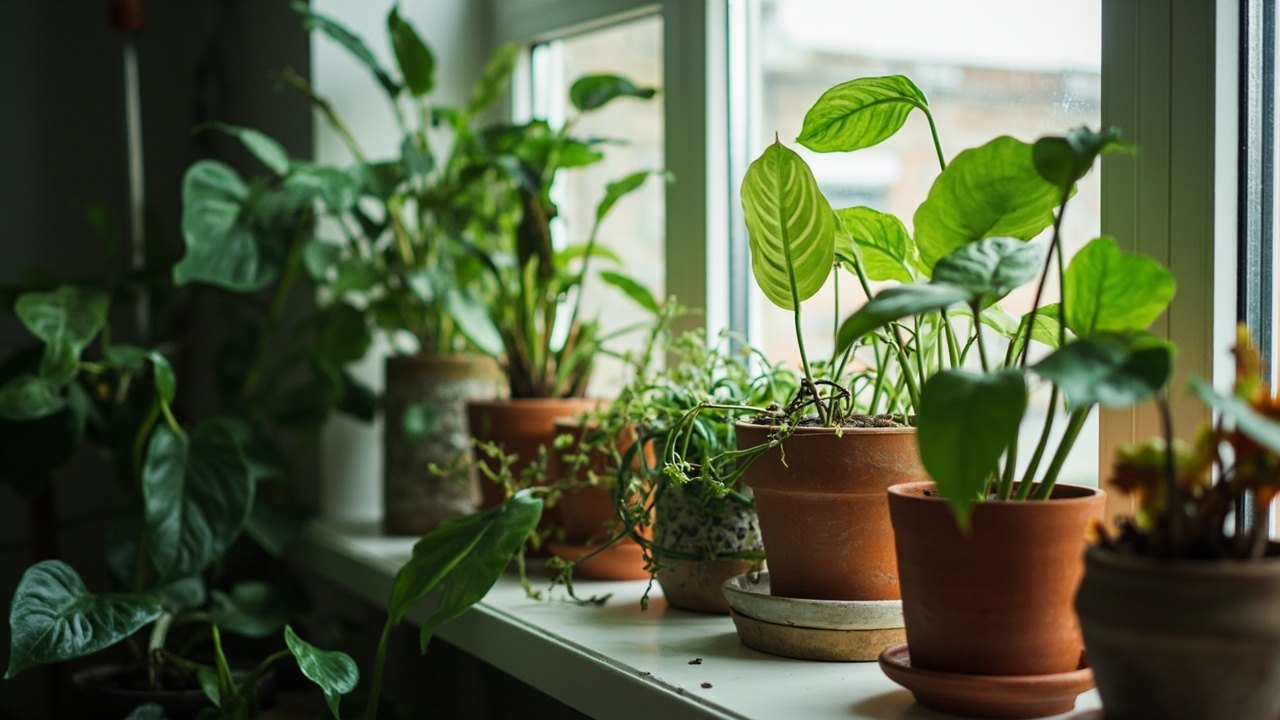
Low-light houseplants can make dim rooms feel welcoming without demanding constant attention. The key is choosing plants that tolerate limited daylight, using containers with drainage, and watering according to the soil rather than a fixed schedule. Thoughtful placement and a few simple checks will help your plants grow steadily.
The short version
- Choose shade-tolerant plants and place them near, but not directly in front of, a window.
- Check the soil before watering; drainage matters more than sticking to a calendar.
- Watch for drooping, yellowing, crispy edges, or leaning stems as signs that light, water, or roots need attention.
Understanding Low Light Indoors
“Low light” usually means a room with enough daylight to read comfortably but not enough for many flowering plants to thrive. It does not mean a completely dark corner. The amount of light changes throughout the day and with the season, so a plant may receive more energy near a window in winter than in summer.
Rooms with north-facing windows, shaded offices, and spaces several feet from a bright window often have suitable conditions for foliage plants. If you can comfortably read a book without a lamp, that area may work. Leaves should look healthy rather than stretched toward the light, and new growth should emerge at a reasonable pace.
The Best Houseplants for Low-Light Rooms
Start with a plant that matches the conditions you can realistically provide. These adaptable choices offer different styles and care needs, so you can build a small collection without filling the room with high-maintenance varieties.
- Snake plant: Also called mother-in-law’s tongue, this upright plant handles dim spaces and irregular watering well. Its stiff, sculptural leaves bring structure to a shelf or floor display, although it will grow more slowly in very low light.
- ZZ plant: The ZZ plant tolerates low light and stores water in its underground rhizomes. Let the potting mix dry substantially between waterings, and place it where its glossy leaves can be seen without crowding.
- Pothos: This trailing vine comes in green, golden, or variegated forms and grows well from cuttings placed in water. It prefers moderate, indirect light; too much direct sun can scorch pale leaves, while deep shade may slow growth.
- Peace lily: Peace lilies adapt to indoor light and produce elegant white flowers when conditions suit them. Keep the soil evenly moist but never waterlogged, and provide brighter indirect light if you want frequent blooms.
- Spider plant: With arching leaves and small plantlets on long stems, a spider plant adds a soft, informal touch. Bright filtered light helps it produce more plantlets, but it can adapt to a shaded room and often shows its health through curling or browning leaf tips.
- Peperomia: Compact varieties such as baby rubber plant are well suited to shelves and small desks. The thick leaves retain moisture, so the soil should dry more fully before watering than it would for a fern or peace lily.
You do not need to buy every variety at once. A single healthy plant in the right location is more rewarding than several struggling specimens crowded together. Choose foliage plants unless your room receives fairly bright, indirect light.
How to Water Without Killing Your Plants
The most common mistake is watering on a fixed schedule. Plants use different amounts of water depending on size, pot material, soil, temperature, light, and growth, so check the soil before adding more. Stick a finger about an inch into the potting mix; if it feels damp, wait.
Water slowly until a little drains from the bottom, then empty the saucer. Repeated shallow watering moistens only the top of the soil and can leave roots sitting in wet, poorly oxygenated soil. If the pot has no drainage hole, excess water will remain around the roots and raise the risk of root damage.
Snake plants and ZZ plants generally prefer a thorough drink followed by a longer drying period. Pothos, peace lilies, and many peperomias usually want the top layer to dry before watering. Do not leave a pot standing in a full saucer or decorative outer planter.
Reduce watering when growth slows in winter, but do not let a plant become severely shriveled. Warm, dry indoor air can also make leaves crisp, yet misting is not a substitute for proper watering. A humidifier or grouping plants together may help, especially in winter.
Finding the Right Light Placement
Give your plants the brightest available indirect light, even if they are described as low-light plants. An east-facing window, a shelf near a bright room, or a position several feet back from a south- or west-facing window can work. Direct midday sun may scorch leaves that are not accustomed to intense light.
Watch the direction in which a plant grows. Long stems reaching toward a window, unusually large spaces between leaves, and pale, weak growth suggest that the plant needs more light. Move it closer gradually rather than moving it abruptly from shade into strong sun.
Rotate pots occasionally so growth stays balanced, but avoid constantly shifting plants between stressful conditions. Clean dusty leaves gently with a soft, damp cloth so they can receive more light. Artificial lighting can also help in a very dim room, provided it is used regularly and positioned according to the fixture’s directions.
Choosing Soil and Pots That Support Root Health
Use a light, airy potting mix designed for indoor plants rather than dense garden soil. Many people add perlite, fine bark, or another coarse component to improve drainage. A suitable mix should hold some moisture while allowing air to reach the roots, and it should not compact into a heavy, soggy mass.
Select a pot with a drainage hole and only slightly larger than the root ball. An oversized container holds a large volume of wet soil, increasing the chance of root rot. Terracotta dries more quickly than plastic or glazed ceramic, so plants in unglazed clay may need water more often during warm, bright periods.
Repot a plant when roots crowd the container, drainage remains slow, or the mix has broken down. Choose a container only one size up and refresh the potting mix rather than placing a small root ball in a large reservoir of soil. After repotting, keep the plant in similar light and avoid overwatering while new roots settle.
Recognizing Signs of Trouble
Yellow leaves often point to excess moisture, especially when the soil stays wet and the plant feels soft. Before adding more water, check the roots and drainage. A plant may also yellow from depleted soil, pests, or naturally aging lower leaves, so the whole plant and its growing conditions matter more than one leaf.
Crispy brown edges can result from dry soil, low humidity, fertilizer buildup, or salts in tap water. Pale patches may indicate sun scorch, while faded leaves can signal insufficient light. Run a finger over the foliage and inspect leaf joints and undersides for webbing, sticky residue, or tiny insects.
A leaning plant may need light, a stake, or a repot if roots have filled the pot. Mushy stems and a sour-smelling mix require prompt attention: remove the plant, inspect the roots, and use fresh, well-draining soil. If damaged roots are soft or dark, trimming them can help healthy roots recover.
Before bringing home a new plant, check whether it is safe for the pets and children in your household. Pothos, peace lilies, and snake plants can cause harmful reactions if eaten, and cats are especially likely to chew them. Consult a reliable pet-toxicity resource and your veterinarian, and place uncertain plants out of reach.
Frequently asked questions
Can houseplants really survive in a room with no window?
Yes, but growth will usually be slower because the plant receives less energy. A grow light can support healthy growth if it is positioned and operated according to its instructions. Even without one, highly adaptable plants may survive in suitable artificial light, though watch for stretched stems or fading leaves.
How often should I water a low-light houseplant?
Water according to the soil rather than a weekly or monthly schedule. Low-light conditions often slow growth and reduce water use, but room temperature and pot size still affect how quickly the mix dries. Check the soil, water thoroughly when appropriate, and drain away any excess.
Should I mist my houseplants in winter?
Misting can briefly raise humidity, but it is not a reliable way to hydrate the roots or correct poor airflow. Focus on proper watering, sensible placement, and a humidifier if the air is consistently dry. Keep foliage wet for long periods, and avoid misting plants prone to fungal problems.
Begin with one forgiving plant, observe the room’s light and your watering habits, and adjust as needed. The healthiest houseplants are not simply left alone; they are checked, noticed, and given the right amount of care.