How to Make Your Home Feel Cozy for the Colder Months
Layer lighting, soft textiles, warm colors, and thoughtful details to make your home feel inviting without spending a fortune or rearranging everything.
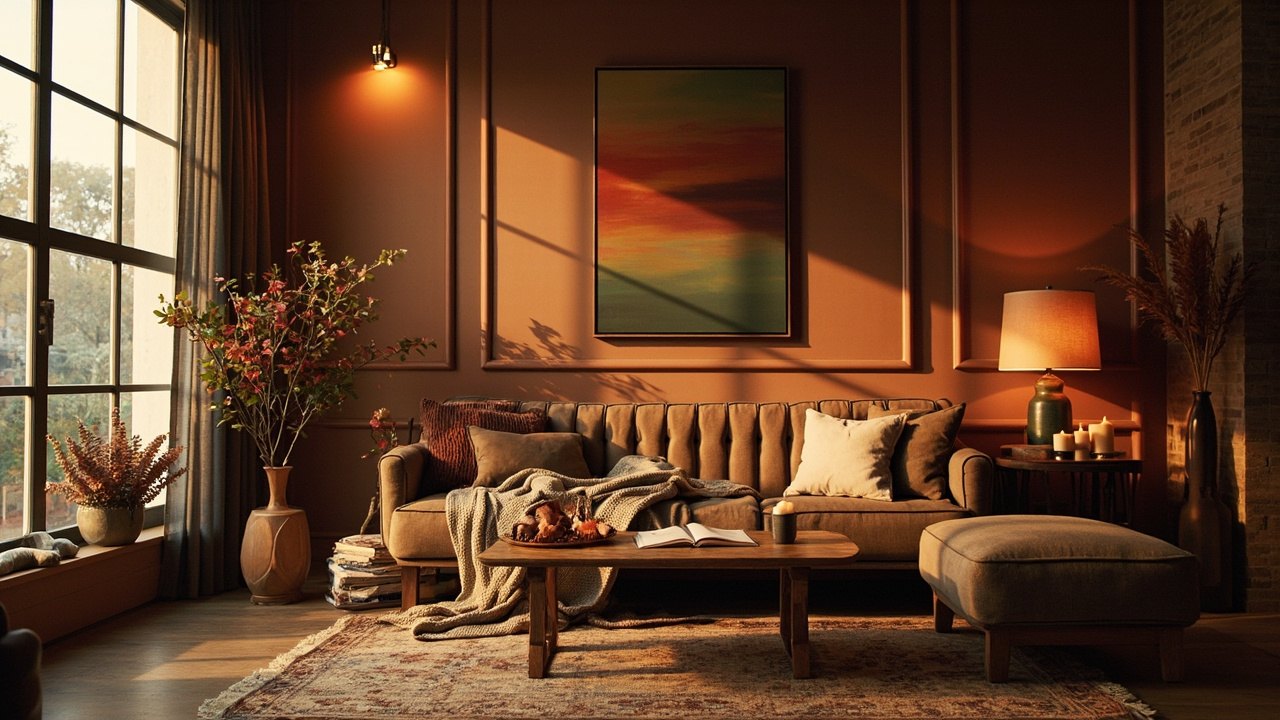
Making a home feel cozy for the colder months is mostly a matter of creating warmth in layers: gentle light, soft textiles, rich color, appealing scent, comforting sound, and a physical barrier against drafts. The good news is that you do not need to buy a new roomful of furniture or spend weeks renovating; small, intentional changes can make an ordinary space feel calmer, softer, and more inviting.
The short version
- Layer light, texture, and color instead of relying on one dramatic change.
- Use scent and sound sparingly to create a sense of comfort.
- Seal obvious drafts and add a dedicated spot for unwinding.
Layer Your Lighting for a Softer Glow
Overhead lighting can make a room feel bright but exposed, especially when the nights are long and the weather is gray. Begin with a floor lamp or table lamp in the area where you relax, then add a second source of light nearby. A combination of downward light, warm-toned bulbs, and a small pool of light often feels more comfortable than a single ceiling fixture.
Choose lamps that suit the room rather than matching perfectly. A simple linen shade can soften the light and complement natural fabrics, while a metal lamp adds a crisp accent against wood, plaster, or painted walls. If you already own a lamp, warm its effect with a new shade rather than replacing the whole fixture.
Try these low-cost adjustments:
- Group table lamps on different surfaces to create varied pools of light.
- Use dimmer switches where available to reduce glare in the evening.
- Place a small reading lamp beside your favorite chair.
- Reflect light from pale or glossy objects positioned near a dark wall.
Keep practical lighting for tasks such as cooking, working, or finding keys, but turn some of it off once the room shifts from daytime activity to evening relaxation. A gradual change in brightness helps the whole home wind down.
Add Soft Textiles You Can Move Around
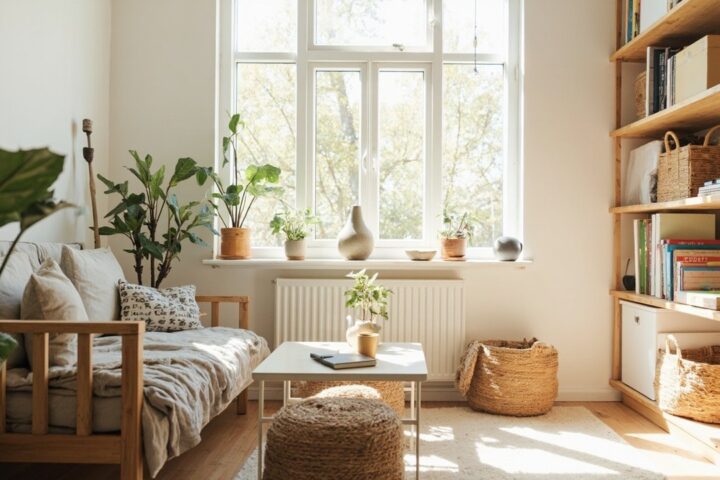
Texture gives a room physical warmth. Throw pillows, blankets, rugs, and curtains absorb sound, soften hard surfaces, and make everyday furniture feel more inviting. The key is variety: combine a smooth cotton sheet with a nubby wool throw, or pair flat-weave curtains with a slightly textured sofa cushion.
Start with the places people naturally sit. Draping a blanket over the back of a chair or placing a cushion on a seldom-used bench immediately makes it more welcoming. A large basket can hold extra throws and make the collection feel deliberate instead of cluttered.
Rugs deserve particular attention because they define where a room begins and ends. A rug beneath the front legs of a sofa or chair creates a comfortable zone, while a small rug beside a bed can make the space feel finished. Make sure it is large enough for the furniture to sit properly on it; positioning most pieces fully on the rug usually looks better than squeezing them around its edge.
Curtains can make a room feel warmer as well as softer. Hang them wide enough to extend beyond the window and allow them to rest near the floor, which reduces the impression of a cold gap at the sides. For winter, heavier fabric such as linen-look cotton, velvet, or lined curtains adds both visual weight and practical insulation.
Bring In Warm, Comforting Color
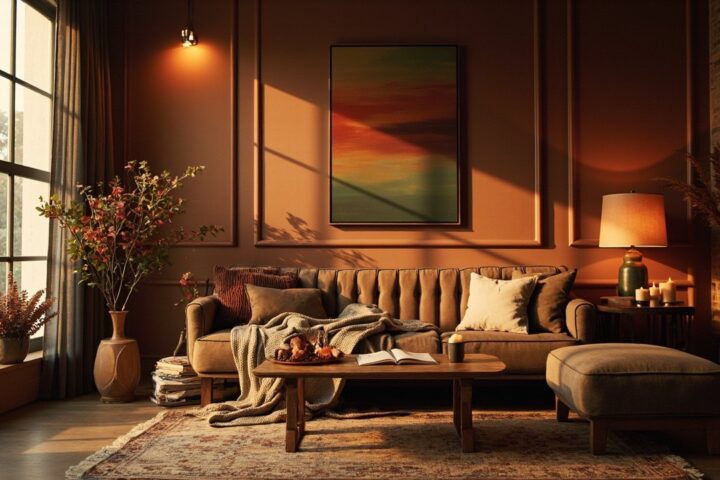
Warm colors do not have to be loud to make a space feel cozy. Terracotta, rust, ochre, forest green, warm cream, and deep brown can create a grounded mood when balanced with lighter walls and natural wood. Color is especially useful in rooms that receive less daylight, where dark corners can otherwise feel unwelcoming.
Use your existing neutral foundation as a canvas. One or two warm accent pieces—such as a cushion, a ceramic bowl, or a wool throw—will shift the mood without requiring a complete repaint. If you paint, test several shades on different walls at different times of day, since the same color can look quite different as daylight fades.
Repeat a color in at least three small places around a room to make it feel connected. Deep red at the curtains could return in a book cover, a cushion, and a dish on the coffee table. The repetition creates cohesion while allowing each object to retain its own character.
Balance dark shades with reflective or light-catching surfaces. A brass-toned frame, a glass vase, or a pale tabletop can keep a rich palette from becoming visually heavy. Natural materials also help: wood, woven baskets, jute, leather, and stone bring warmth even when their colors remain neutral.
Engage Your Senses With Scent and Sound
A subtle scent can make a home feel cared for, but it works best as a background rather than an announcement. Clean cotton, cedar, vanilla, tea, or a lightly spiced baked-good scent can feel appropriate in a living space, kitchen, or bedroom. Candles are familiar, but a wax melt, room spray, potpourri, or a bowl of citrus and cinnamon may suit your routine better.
Ventilate before adding fragrance, and use less than you think you need. Open a window briefly, light the candle, and then step away for a moment to judge the scent as it settles. Avoid competing fragrances in adjoining rooms, particularly if someone is sensitive to strong smells.
Sound can make a space feel more enclosed and peaceful. A low-volume playlist, a radio, a record, or the gentle movement of a fan can soften the sharp edges of appliances and street noise. Natural sounds are especially effective when you want the atmosphere to change throughout the day without actively choosing music.
Give the room a quiet layer as well. Put a small rug under a chair, add fabric curtains, and place books or baskets near hard surfaces to reduce echo. Comfortable acoustics are not silent; they simply remove harsh, echoing sounds that make a room feel less restful.
Draught-Proof the Obvious Trouble Spots
You cannot feel a draft if you have never noticed the small signs of one: a curtain moving in still air, a cool strip near a door, or a heating bill that feels higher than expected. Walk around the room and use a hand to check along windows, doors, and ventilation openings. Pay attention to gaps at the sides and bottom, not just the center of the frame.
Common fixes are straightforward:
- Apply removable weather stripping along the edges of drafty doors and windows.
- Slide a draft guard beneath an interior door to block light from the hallway.
- Use a brush seal on the base of a door that swings toward a warm room.
- Hang heavier curtains to reduce heat loss and the feeling of cold air nearby.
- Fit a snug cover over an unused air-conditioning vent if it does not already have one.
For small gaps around pipes or cables, flexible caulk or removable sealing strips can close the opening. Check the instructions carefully, especially around heating and ventilation equipment, so that airflow and safety features remain unobstructed.
Do not block radiators, vents, chimneys, or fireplace openings, and avoid stacking fabrics directly against a heater. If a room remains cold despite basic sealing, investigate insulation, heating performance, or air movement rather than adding more soft furnishings that could conceal the problem.
Create a Cosy Reading Corner
A dedicated reading corner gives the whole effort a focal point. It can be as modest as a chair beside a window, a small stool under a lamp, or a bench with cushions tucked into an unused corner. The aim is not to create a perfect photograph but to make it easy to sit down with a book and stay awhile.
Begin with the chair. Choose one with enough support to be comfortable for longer periods, then layer it with a cushion and a throw. Place the lamp so that the light falls beside the page rather than directly into the reader’s eyes. A narrow side table keeps a mug, book, or pair of glasses close without cluttering the seat.
Let the surrounding details reinforce the retreat from the rest of the home. A basket can hold magazines or a spare blanket, a small table can display a seasonal flower, and a bookcase can make the walls feel personal. If the space is near a busy doorway, a curtain or folding screen can make it feel more private without major construction.
Keep the palette especially calm here. Warm lighting, one or two deep colors, and tactile surfaces are usually enough. A reading corner becomes more inviting when it suggests a ritual: sit down, turn on the lamp, put on music, and open a book.
Frequently asked questions
How can I make a room feel cozier without buying new furniture?
Work with what you already own by changing the lighting, adding layered textiles, and rearrating seating to create an intimate grouping. Swapping a cool-toned cushion for a warmer one, moving a lamp closer to a chair, or hanging fuller curtains can make a noticeable difference.
What colors make a home feel warm in winter?
Earthy shades such as terracotta, rust, ochre, cream, olive, and chocolate can make a room feel grounded. Pair them with natural wood and tactile fabrics, and balance darker areas with lighter surfaces so the result feels inviting rather than heavy.
How do I stop a room from feeling cold?
Start by checking for drafts around doors and windows, then improve the room’s textures, lighting, and color scheme. If the room remains physically cold, make sure the heating system is working and vents are open and unobstructed rather than trying to solve the problem with decoration alone.
Coziness is not created by one perfect object; it is the combined effect of a room that looks warm, feels comfortable, and welcomes you to slow down. Make a few changes, use them for a week, and keep the ones that help your home feel genuinely restorative.