Japandi Style Without Starting Over: A Room-by-Room Guide
Bring calm, warmth, and purposeful design home with simple changes that make your existing rooms feel distinctly Japandi.
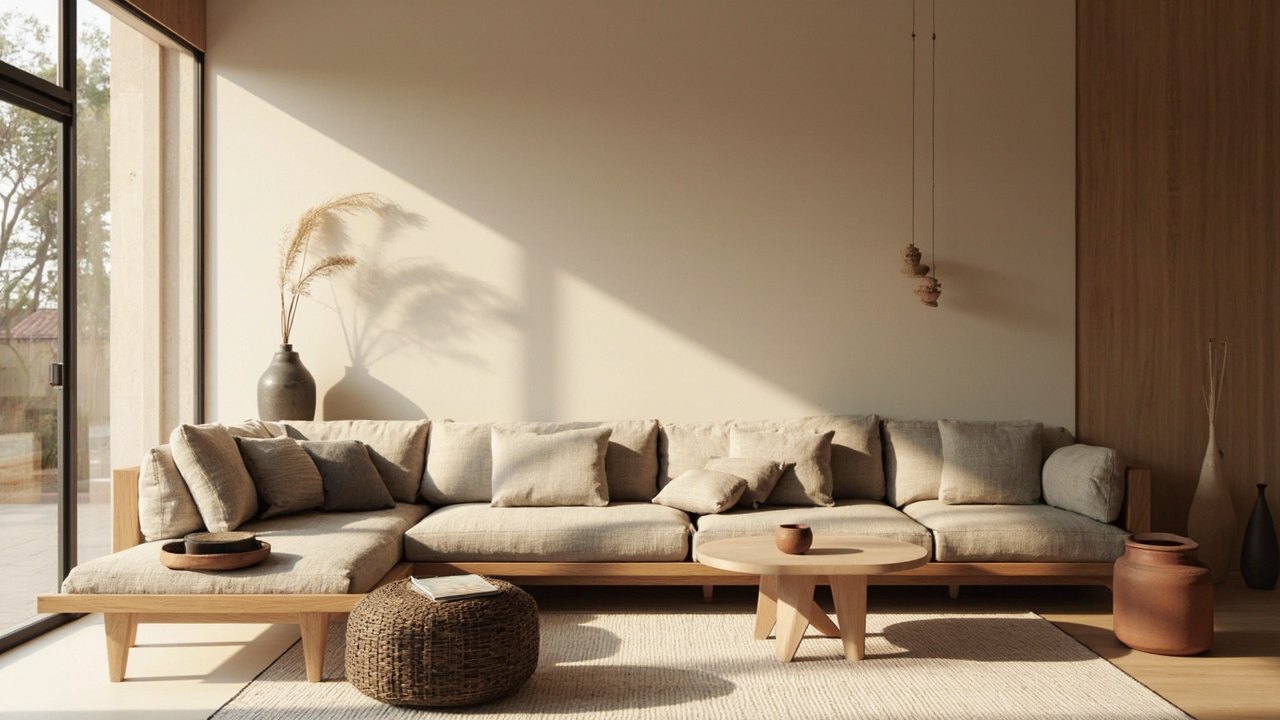
You can get the Japandi look without replacing everything you own. Begin with a calmer palette, simple furniture shapes, natural textures, and a few carefully chosen objects that bring warmth and function to each room.
The short version
- Work with warm neutrals, soft contrast, and a few muted colors.
- Keep furniture low, useful, and visually uncomplicated.
- Layer natural materials and handmade details rather than buying a complete new room.
What Makes a Room Feel Japandi?
Japandi combines the restrained simplicity of Japanese interiors with the practical warmth and comfort associated with Scandinavian design. The result is calm rather than cold, minimal without feeling bare, and thoughtfully arranged without looking precious.
Its foundation is purposeful editing. Every piece should have a job, whether that job is providing a place to sit, holding everyday items, adding texture, or creating a moment of visual quiet. Japandi is not simply a style of beige furniture and empty shelves; it is a balance of proportion, material, color, and breathing room.
Japanese design often emphasizes subtlety, craftsmanship, and a connection to nature. Scandinavian design tends toward clean forms, useful objects, and bright, uncluttered spaces. Japandi brings those ideas together with low furniture, uncluttered surfaces, warm woods, tactile textiles, and a restrained collection of meaningful objects.
That makes it especially adaptable for homes that are not starting from scratch. You may already own several useful pieces. The trick is to make them feel connected by editing the visual noise around them and introducing touches that support the style.
Build a Japandi Palette From What You Already Have
Start with the calm colors already in the room. Warm white, oatmeal, sand, putty, pale gray, and soft beige will make a strong foundation. Black, charcoal, and deep brown can provide useful contrast without making a room feel stark. Muted green, dusty blue, clay, rust, or indigo can add personality in small doses.
Avoid trying to make every surface the same color. Japandi rooms still have layers, and variation helps natural materials stand out. A creamy wall behind a honey-toned oak chair, a charcoal lamp beside an oatmeal sofa, or a muted blue vase on a pale wood table can feel more cohesive than a single shade applied everywhere.
- Remove or relocate bright accessories that compete with one another.
- Group similar colors together rather than scattering them randomly.
- Use one darker anchor, such as a charcoal rug or blackened frame, to ground the room.
- Add one or two muted colors through textiles and ceramics.
You can also soften existing pieces with slipcovers, new lampshades, or simple fabric panels. These changes cost less than new furniture and can make an older sofa or chair fit the room more naturally.
Favor Simple Shapes and Honest Materials
Look for furniture with low profiles, slender legs, compact proportions, and uncomplicated outlines. Rectangular forms, softened corners, gentle curves, and clean joinery all fit the Japandi vocabulary. A low wooden table or a bench-like seat can work beautifully, even when it was not sold as a “Japandi” piece.
Material matters because it adds depth without requiring decoration. Oak, ash, walnut, bamboo, rush, linen, wool, cotton, stoneware, and plaster are commonly associated with the look. You do not need to hunt down authentic Japanese or Scandinavian pieces. A thrifted wooden chair, a hand-thrown bowl, and a plain wool rug can create the same sense of texture and intention.
- Choose solid or wood-look pieces with warm grain rather than glossy imitation finishes.
- Replace busy cushions with plain linen or cotton covers in neutral tones.
- Use ceramics, paper, and woven objects to add handmade character.
- Keep display groups small and give each object some open space around it.
Resist filling every gap. Negative space is part of the style, but balance is more important than emptiness. A useful side table, a low bowl, or a single branch in a simple vase may be enough to make a surface feel considered.
Move Through the Home One Room at a Time
- Living room. Keep the sofa if it works, then reduce the objects around it. If the coffee table feels bulky, substitute a narrow wood table, a pair of nesting tables, or a simple tray that can sit on a low surface. Add a textured rug in wool, jute, or a neutral flat weave. One generous lamp can replace several small ones, while a linen throw and two understated cushions make the seating feel more tactile.
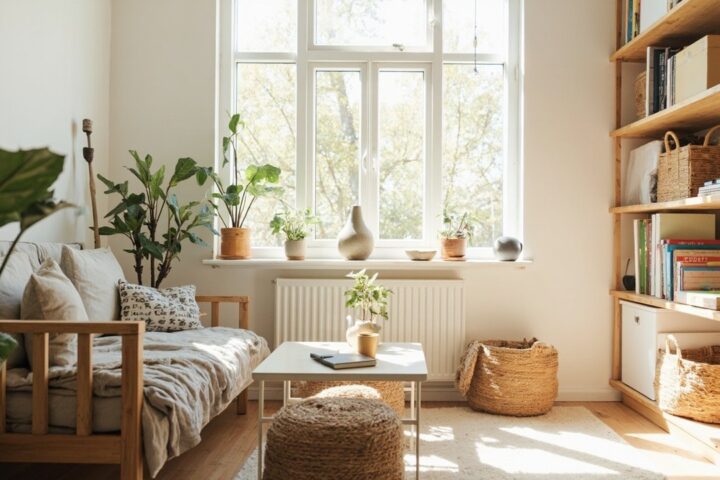
- Bedroom. Japandi bedrooms benefit from a low, uncluttered bed frame and plain bedding. You can soften an existing headboard with a neutral fabric or blanket hung neatly behind it. Use bedside surfaces for a lamp, a book, and a small ceramic cup rather than a crowded collection. Pale curtains, a wood stool, and a woven basket help the room feel grounded without becoming a showroom.
- Dining area. A simple rectangular table, round pedestal table, or sturdy wooden table suits the style. Keep chairs visually light by choosing those with slender legs or gently shaped backs. Hang one artwork, a textile, or a group of small prints rather than covering the wall with many frames. A low centerpiece, such as a bowl with seasonal fruit or a narrow arrangement in a muted vase, will not interrupt conversation.
- Kitchen. You do not need to install new cabinetry to create a Japandi kitchen. Edit the counters, move frequently used appliances into logical groups, and replace colorful organizers with wood, ceramic, or plain metal containers. A linen towel, wooden board, simple kettle, and coordinated storage can make everyday tools feel intentional. If open shelving feels untidy, use it sparingly and limit it to objects that are both useful and attractive.
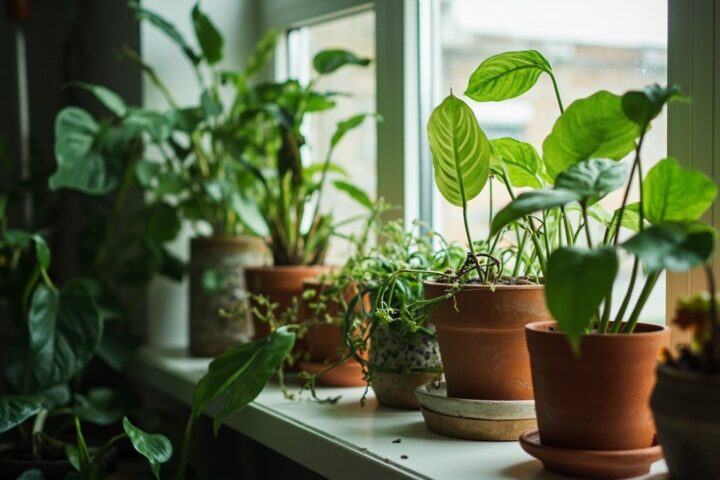
- Bathroom. Calm color, clean storage, and natural texture do most of the work here. Add a plain cotton or linen hand towel, a wooden bath mat, and a simple mirror with a slim frame. Group toiletries in matching containers rather than displaying many mismatched bottles. A small plant or a single leafy stem can soften hard surfaces, while stoneware cups and trays create a neat place for daily essentials.
- Entryway or hallway. Give this area one clear landing place for keys, mail, and bags. A narrow wooden bench, a woven basket, or a small cabinet will keep the floor open. Hang a single coat, use one muted artwork, and add a plant if the light suits it. The aim is to make entering the home feel easier and more orderly.
Work on one room before moving to the next. Live with the changes, notice what still feels crowded, and make small adjustments after the room has had time to reveal its problems.
Shop for Contrast, Not a Whole New Room
When you do buy something, choose pieces that will sit comfortably beside what you already own. A warm oak table can bridge a white sofa and darker accent furniture. Plain linen cushions can refresh a dated armchair. A paper lantern or sculptural lamp can introduce Japanese-inspired lightness without requiring the rest of the room to change.
Secondhand furniture is especially useful because the style depends more on form and proportion than on a particular label. Look for sturdy wooden chairs, small side tables, simple shelving, and neutral textiles. Refinish only what needs attention, and repair pieces with worn joints or loose hardware rather than discarding them.
For accessories, choose fewer, stronger pieces. A handmade mug, glazed bowl, folded textile, or modest artwork has more presence when it is not surrounded by visual clutter. Let some surfaces remain nearly empty. This is not about making a room look expensive; it is about making every object feel considered.
Create Cohesion Through Repetition
Once the rooms are edited, connect them with repeated colors and materials. If the living room already contains pale wood, warm white, and charcoal, carry those tones into the hallway or bedroom. Repeat a material in different forms, such as light wood furniture beside a woven basket, or linen curtains near a cotton cushion.
Scale matters, too. A large rug can balance a compact seating area, while one substantial artwork can give a pale wall more weight than several tiny pieces. Keep proportions generous, but do not make everything oversized. Japandi works through balance: low furniture with open space above it, round forms against straight lines, and dark accents distributed gently throughout the room.
Frequently asked questions
Is Japandi just a type of minimalist style?
No. Minimalism is about reducing visual excess, while Japandi is more specific about the mood, materials, and forms used to achieve that reduction. Its warmth comes from tactile surfaces, natural grain, handmade objects, and comfortable textiles rather than from a need for more possessions.
Do I need Japanese or Scandinavian furniture to get the look?
Not at all. The style can be created with ordinary furniture that has simple lines, useful proportions, and finishes that work well with wood, linen, wool, ceramic, or paper. Buying every piece from a particular region is unnecessary and may make the process more expensive and less personal.
Can Japandi work in a small or rented home?
Yes, and it can be especially effective there because reducing clutter makes the available space feel clearer. Rely on a few multipurpose pieces, removable storage, neutral textiles, and carefully edited surfaces before considering larger changes. Your home should still feel comfortable and lived-in, not like a display.
Start with one surface, remove what does not help, and introduce one warm, natural element. Small, consistent choices will bring your home toward Japandi without turning the process into a complete reset.