The Best Plants and Practical Tips for Balcony Gardening
Grow herbs, salad greens, and flowers successfully on a balcony by choosing the right spot, containers, plants, and simple care routine.
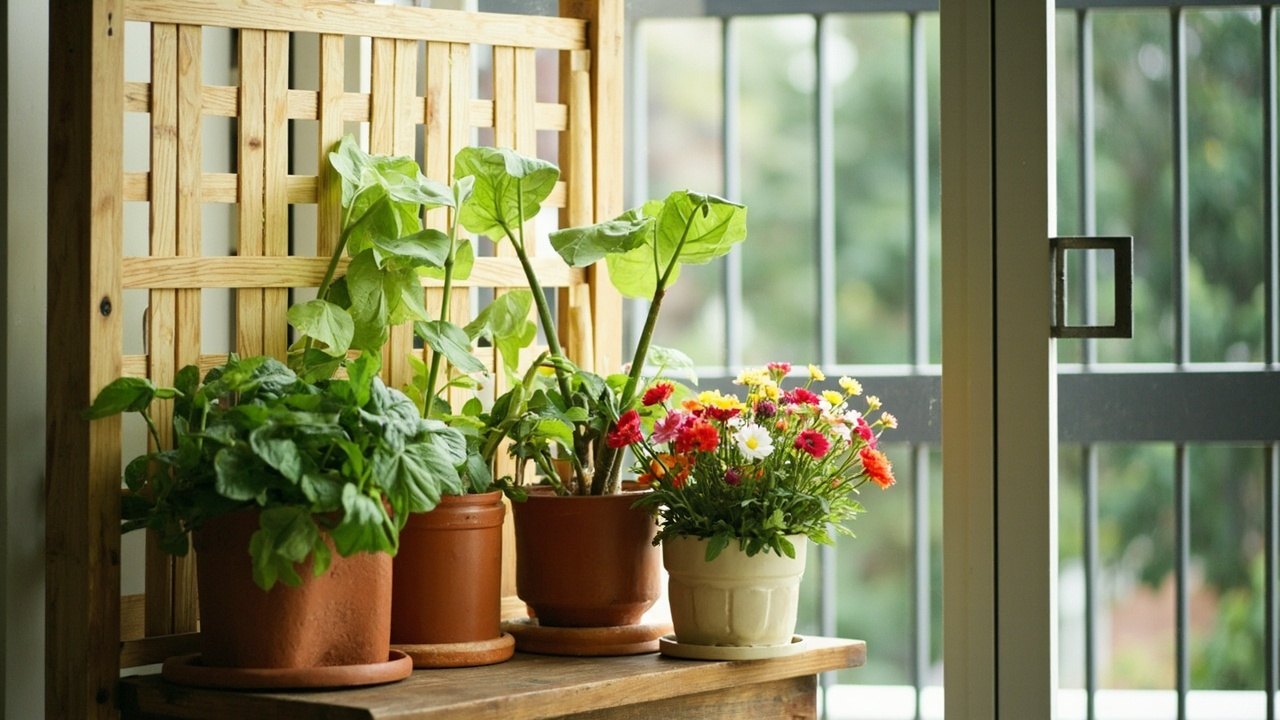
Balcony gardening works best when you match plants to the space rather than trying to recreate a full garden in miniature. Herbs, salad leaves, compact vegetables, and flowers can all thrive in containers, provided you account for sunlight, wind, drainage, weight, and the amount of time you have to water.
The short version
- Observe your balcony’s sun and wind before choosing plants.
- Use containers with drainage holes and a quality potting mix.
- Start with herbs, leafy greens, and flowers suited to containers.
Start by Reading Your Balcony’s Light and Wind
Before buying plants, spend a day noticing where sunlight falls and where wind moves through the space. A balcony that receives several hours of direct sun can support many familiar herbs and flowering plants, while a shaded balcony is better suited to leafy greens and other plants that tolerate softer light.
Watch the balcony again later in the day, especially if nearby buildings block the sun. Morning and afternoon light can differ substantially, and seasonal changes may matter more than a quick visit suggests. If possible, observe the space across a few days so you can identify strong reflected heat as well as direct sunshine.
Wind deserves equal attention. Exposed balconies can dry containers quickly, buffet delicate leaves, and topple tall pots. Plants close to a railing or wall may receive a welcome break from the air, but they can also be shaded. Test a location by watching how leaves move and how quickly the soil begins to dry.
Choose a mix of plants rather than relying on one type. Sunny herbs can share the space with shade-tolerant greens, while compact flowers add colour without requiring much room. Keep taller plants toward the back or along a solid wall so they do not shade shorter crops.
Choose Containers That Drain Well
Containers should suit the size and habits of the plant, but drainage matters more than decorative style. Every pot needs an unobstructed hole so excess water can escape. A matching saucer can protect the surface below, though it should not be left full of water because saturated soil encourages root problems.
Use a lightweight, quality potting mix designed for container plants. Garden soil is not a good substitute because it can compact, drain unevenly, and provide too little air around roots. Potting mix also makes it easier to replace tired soil when refreshing a container at the end of the growing season.
Wide, shallow bowls are useful for salad greens, while deeper pots give leafy herbs more root room. Peppers and compact tomatoes need substantial containers because they develop larger root systems. Avoid oversized pots filled with soil for small plants, since the extra wet soil can remain heavy and poorly aerated.
Check how containers sit on the balcony. Feet or low stands can improve airflow beneath pots and reduce staining, but they should remain stable. Plastic, resin, and fibreglass containers are easier to move than thick ceramic. If using terracotta, remember that porous clay loses moisture quickly and may need more frequent watering than plastic.
Grow Reliable Herbs and Salad Leaves
Herbs are among the most rewarding balcony crops because many stay compact and you can harvest small amounts as needed. Basil, parsley, cilantro, chives, thyme, and mint can all work in pots. Basil and cilantro prefer warmth and regular moisture, while thyme and other Mediterranean herbs generally prefer a sunny position and soil that is not constantly wet.
Mind the habit of the plant. Basil often grows upright and looks attractive near the back of a container. Parsley forms a dense, low clump, making it useful along an edge. Mint spreads vigorously and is best given a pot of its own; keeping it separate prevents it from overwhelming nearby herbs.
Salad leaves are practical for limited spaces because many grow well in broad containers or window boxes. Lettuce, rocket, mizuna, spinach, and baby-leaf mixes can be harvested without dedicating much floor space. Sow a small portion at a time, or start with nursery plants if you want a quicker crop. Replace harvested or tired plants to keep the container productive.
Keep salad greens evenly watered, especially in warm weather and containers that receive strong sun. Leaves may scorch if roots dry out, while constantly soggy soil can encourage rot. A light mulch of compost or vermiculite can help slow evaporation, but keep it away from the base of the stems.
Add Flowers for Colour and Pollinators
Flowers make a balcony feel welcoming and can bring visiting insects into the space. Compact marigolds, lobelia, begonias, geraniums, and sweet alyssum are common container choices. Nasturtiums are especially useful because their edible flowers have a bright, peppery flavour, provided you introduce them gradually and know how you like the taste.
Match the flower to the light available. Marigolds and geraniums generally do best with good sun, while begonias and alyssum can handle partial shade. Look for compact varieties rather than plants labelled simply “tall,” and avoid placing flowering crops where their foliage will be crowded by larger pots.
Some herbs and vegetables also produce attractive flowers, allowing you to combine function and decoration. Allow a few cilantro or parsley plants to flower if you have room, though their leaves are usually best harvested before flowering. Deadheading spent blooms can encourage more flowers on many balcony favourites.
If children or pets use the balcony, check every plant for toxicity before installing it. Familiar edible plants are not automatically safe to touch, and a colourful balcony should be planned with the household in mind. Keep unknown plants and stored gardening chemicals out of reach.
Water Deeply and Check Containers Often
Container soil dries from the top down, so check it with a finger rather than following a rigid schedule. When the top layer feels dry, water thoroughly until excess drains from the bottom. A gentle, steady stream is better than a powerful blast that can wash potting mix and seedlings out of the pot.
Water in the morning when practical. This gives foliage time to dry before nightfall and reduces waste from evaporation during the hottest part of the day. Plants in sunny, windy, or ceramic containers may need checking more often than those in a sheltered corner, but the soil itself should guide your decisions.
Learn the signs of both under- and overwatering. Wilting, curling leaves, and pale growth can indicate drought, but similar symptoms may occur in waterlogged soil. Check the moisture below the surface and examine the roots if a plant continues to decline. Frequent light sprinkling moistens only the top and can leave deeper roots dry.
Group plants with similar watering needs where possible. Do not place a succulent beside a thirsty herb in the same small pot merely to save space. A simple watering can with a fine rose, a mister for delicate seedlings, and a small reservoir for longer trips can make care more manageable.
Use Vertical Space Without Overloading the Balcony
When floor area is limited, look upward. A modest trellis can support peas, beans, climbing nasturtiums, and other manageable climbers. Wall shelves, railing planters, and hanging baskets create additional growing zones, but each fixture must be firmly attached and designed for outdoor use.
Remember that every pot adds weight, and wet soil weighs more than dry soil. Large raised planters and several tall trellises can become a substantial load. Check your lease, building rules, and local requirements, and ask a qualified professional if you are unsure about structural capacity.
Keep access clear. Do not block doors, emergency exits, drainage paths, or shared walkways. Position tall planters against a wall rather than at a railing, where wind can topple them. Secure lightweight pots and make sure hanging baskets cannot swing into a neighbour’s space or detach in strong weather.
Prune plants that are crowding one another, and remove dead leaves and spent flowers. Good airflow helps foliage dry after watering and can make it easier to spot pests. A balcony should remain a comfortable place to sit as well as a growing area, so leave enough open space for a chair or small table when possible.
Frequently asked questions
What can I grow on a balcony with little sunlight?
Leafy greens, parsley, chives, mint, and shade-tolerant flowers are among the most practical choices for a shaded balcony. Rotate containers periodically if one side receives more light, and remove plants that become weak and stretched toward the sun.
Do balcony containers need drainage holes?
Yes. Drainage holes prevent excess water from collecting around the roots and causing rot. Use a potting mix formulated for containers, and empty saucers or trays so standing water does not remain beneath the pot.
How often should I water balcony plants?
Check the soil every day during warm or windy weather, then water thoroughly when the top layer feels dry. Smaller pots, clay containers, and plants in direct sun usually dry faster, so adjust the routine to the plant and the conditions rather than watering on a fixed schedule.
Begin with a few dependable herbs, one container of salad leaves, and a group of colourful flowers, then expand as you learn the balcony’s rhythms. Thoughtful plant choices and a consistent care routine will give you a small space that looks lively and works hard all season.