How to Host the Perfect Movie Night at Home, Step by Step
Create a cozy, well-planned movie evening with thoughtful film choices, simple tech setup, themed snacks, and options for every age group included.
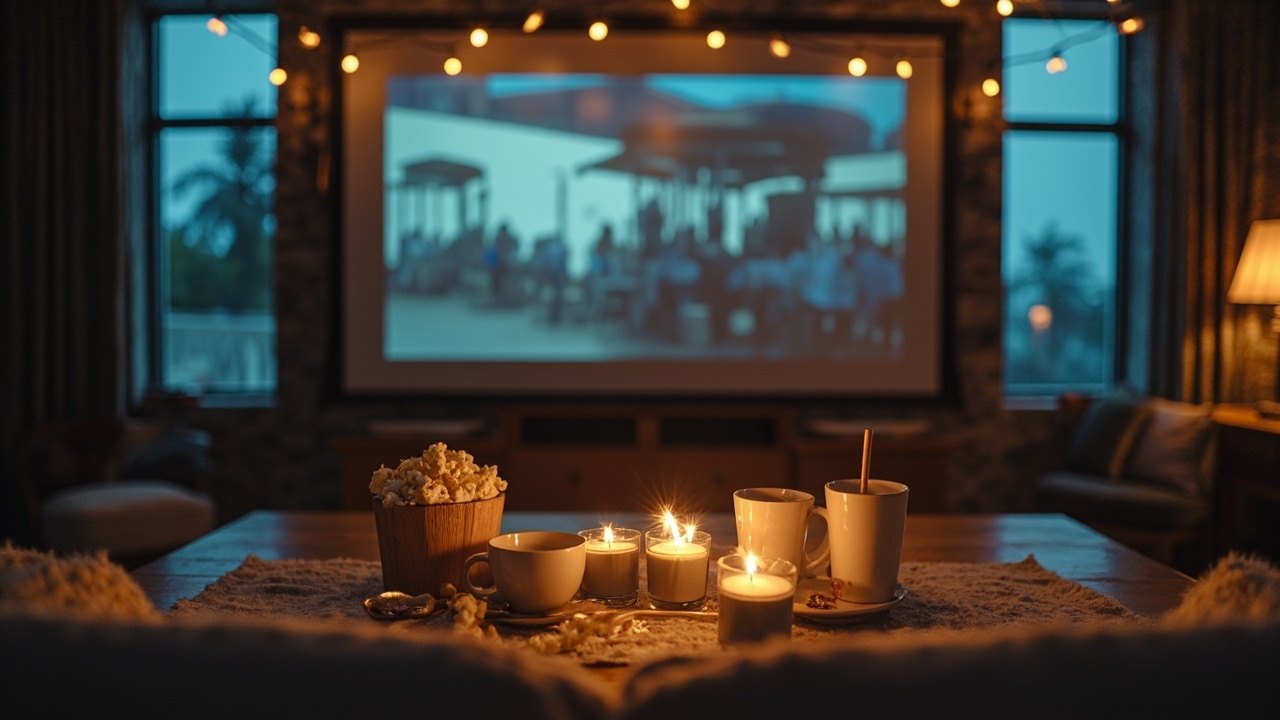
A perfect movie night at home is less about finding a flawless film than creating the right conditions for everyone to settle in and enjoy it together. Choose the movie with care, make the picture and sound work for the room, add comfortable seating and snacks that fit the theme, and leave enough flexibility for both children and adults to have fun.
The short version
- Choose a film that suits the group and agree on it before movie night begins.
- Set up the screen, sound, seating, and snacks so attention stays on the movie.
- Add a theme or double bill for variety, while keeping the evening comfortable and flexible.
Choose a Film Everyone Will Want to Watch
Start by considering the people in the room rather than the list of films you have been meaning to watch. A comedy may keep a mixed group laughing, while an animated adventure can work for children and adults if the adults enjoy the premise. Ask about favorite genres, recent disappointments, and whether anyone has already seen a particular film.
Give people a few strong options rather than an overwhelming catalog. Two or three choices are usually enough for a relaxed evening, and deciding beforehand prevents a long debate once the lights go down. If the group cannot agree, choose a film with broad appeal and save the more serious or controversial selections for another occasion.
Think about length as well as subject. A shorter film is useful when guests arrive at different times or when children may lose focus. For a longer feature, build in a brief interval before it begins so everyone can find a seat, get a drink, and settle their snacks. A planned pause also gives the room a chance to reset without making the evening feel interrupted.
You can make the choice more engaging by asking each person to suggest one film and briefly explain the appeal. This turns selection into part of the entertainment rather than a practical hurdle. Once the decision is made, check the available running time and viewing format, then stop browsing and commit to the plan.
Set Up the Picture and Sound for the Room
The best screen is not necessarily the largest one; it is the one that can be viewed comfortably from every seat. Position it so that the main seating area is directly in front of it, rather than off to one side. If the screen is high, tilt it downward slightly or arrange the seating below it to reduce neck strain. Close curtains and blinds when appropriate to reduce reflections.
Make sure the viewing distance suits the size of the display. A large television does not need to be pushed to the far wall, and a smaller screen can still feel generous in a cozy room. Keep the room dark enough to improve contrast, but retain a little low-level lighting near walkways and snack stations so people can move around without using phone flashlights.
For sound, begin with the equipment you already own. A television’s built-in speakers can be perfectly adequate for a casual film night, though dialogue may sound clearer if they are set to a reasonable volume rather than pushed high. If you have a soundbar or surround system, place it according to its instructions and keep speakers unobstructed.
Do not neglect the connection between the player and the display. Secure streaming accounts in advance, check that the correct input is selected, and test the chosen film before guests arrive. If you are using a laptop, a streaming device, or a disc player, connect it before the event and keep the necessary cables nearby.
A quick test also reveals problems that are easy to miss in a hurry. Look for visible cables across walking paths, make sure remote controls are working, and confirm that the display and audio are synchronized. Turn on notifications on connected devices, but silence them for the evening so that no alerts interrupt the film.
Make the Room Comfortable and Inviting
Movie night should feel different from an ordinary evening at home without becoming uncomfortable. Arrange seating so everyone has a clear view, then add soft elements such as cushions, throws, and floor seating. Offer a mix of chairs, a sofa, and a few relaxed alternatives so guests can choose where they want to sit.
Blankets are useful in a cool room, but keep them light enough to prevent overheating once the lights dim. Use side tables for drinks and snacks rather than balancing everything on laps. If children will attend, reserve a comfortable area where they can see the screen without being surrounded by adults’ feet or bags.
Give the room a little personality through simple details: a warm lamp, a bowl of popcorn, a themed napkin, or a playlist playing quietly before the film begins. Keep decorations low and avoid anything that reflects strongly onto the screen. The goal is a space that feels welcoming and personal while remaining visually calm.
Plan Snacks That Fit the Theme
Snacks should be easy to eat without distracting from the picture. Popcorn is the classic choice because it is simple to serve and does not require plates, but it is worth offering at least one alternative for people who prefer something quieter or mess-free. Pretzels, crackers, dried fruit, and individually portioned treats can sit comfortably on side tables.
Let the film guide the menu without turning the snacks into a separate project. A western might call for popcorn, trail mix, and lemonade; a cozy mystery could suit tea, shortbread, and dark chocolate. Build a small menu rather than preparing many unrelated foods. Fewer choices also reduce the risk of leaving half the dishes untouched.
Set up a self-service snack station before everyone arrives. Use separate bowls, label anything that contains common allergens, and provide napkins and water alongside the richer choices. For a double bill, place drinks in lidded cups so they can be carried safely between films. Keep any food that needs refrigeration out until shortly before serving.
Use a Theme or Arrange a Double Bill
A theme makes a movie night feel intentional even when the films are from completely different eras or genres. Choose a broad category first, such as films set in another decade, animated adventures, detective stories, or directors’ work. Then select two features or a feature and a short film that share the theme without requiring extensive background knowledge.
A double bill works especially well when the first film is moderately short and the second is the main event. Let the shorter selection establish the mood, then use a short interval for a bathroom break, a refill, and a quick transition. You can also announce the pairing in advance so guests know what to expect and can dress for the occasion if they wish.
Keep the structure simple. A themed double bill should not include an elaborate schedule, multiple courses, or lengthy introductions. Introduce each film briefly, explain why the pair belongs together, and then let the movies do the work. A little atmosphere is helpful; a presentation that competes with the feature is not.
Make Versions for Kids and Adults
When children and adults are sharing the evening, plan around different levels of attention and taste. The easiest solution is one film the whole group can enjoy, with the adults’ preferences considered alongside the children’s. Choose something funny or adventurous rather than a film with frightening images, graphic violence, or adult language that would make family viewing awkward.
For mixed ages, you can offer a main screening followed by a short, age-appropriate companion film for younger viewers. Keep the adult program optional and separate enough that children do not feel excluded. If the group cannot share one title, schedule two versions of the evening in the same room by using different rooms or devices where possible.
Let children help with the setup in controlled ways. They can arrange approved snacks, choose a blanket, or select a short animated feature before the main film. This gives them a role without asking them to manage complicated equipment or handle hot food. Adults should also agree on screen breaks, volume limits, and a clear stopping point if children become tired.
For an adults-only version later in the evening, keep the comfort and food in place but change the film to suit the new audience. A slightly more sophisticated menu or a later double bill can make the evening feel like a deliberate sequel rather than a leftover activity. The best compromise is a shared foundation and a small amount of flexibility for what each group wants.
Frequently asked questions
What is the best movie for a mixed-age group?
A family adventure, well-regarded animated film, or broadly funny comedy is usually the safest starting point. Consider the youngest viewers’ attention span, avoid material likely to cause distress, and choose a story adults will genuinely enjoy rather than simply tolerating.
Should I host a double bill or choose one film?
Choose one film when the group is small, the chosen movie is long, or you want a relaxed evening with plenty of conversation. A double bill suits a deliberate theme, a movie club, or a night when guests specifically enjoy several films and have time for a short break between them.
How do I make movie night feel special without spending much?
Focus on atmosphere rather than expensive additions. Dim the lights, prepare a few comfortable seats, choose snacks that match the film, and make a simple announcement before starting. Thoughtful planning often contributes more to the experience than elaborate decorations or an extensive menu.
With the film chosen, the room prepared, and the snacks ready, let the evening unfold at an easy pace. The most memorable movie nights are the ones where nobody is thinking about perfection—only watching together, feeling comfortable, and enjoying the story on the screen.