Walking Pads at Home—A Practical Guide to Compact Treadmills
Compact walking pads can make movement easier, but comfort, space, noise, and habits matter more than gadget appeal for busy desk workers.
Walking pads can be worthwhile for people who want to add light movement to a work routine, especially when getting outdoors is inconvenient. They are less useful if they create noise, crowd the room, or become another piece of equipment that gets ignored after a few days.
The short version
- They suit people who want easy, low-impact movement during the day.
- Footprint, motor noise, comfort, and motor speed matter more than extra features.
- The best results come from short, regular sessions and a comfortable setup.
What a walking pad actually offers
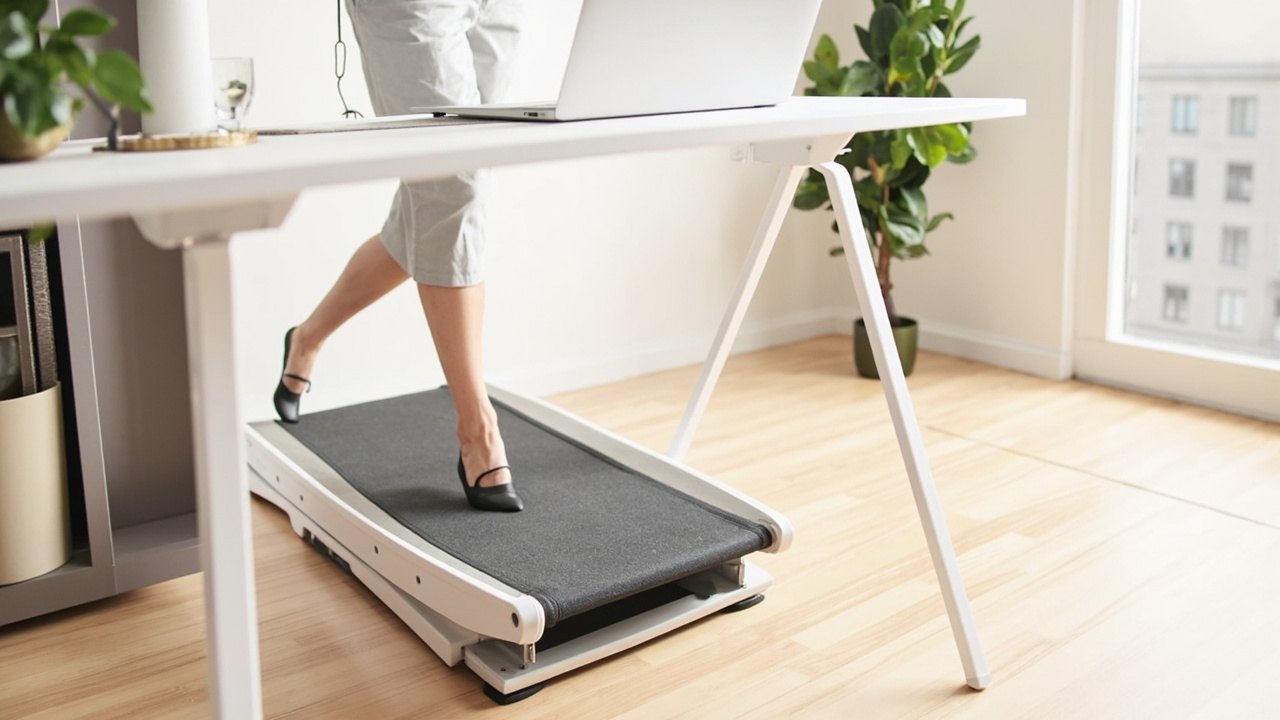
A walking pad is a compact, low-speed treadmill designed for walking while working, reading, watching television, or doing other light activities. Unlike a full treadmill, it usually has a shorter belt, a narrower frame, a slimmer control panel, and fewer workout-oriented features. That simplicity is a strength for many buyers who do not want a home gym.
The main benefit is convenience. A machine that fits under a desk or in a spare room can remove the friction of traveling to a gym, changing clothes, or finding time away from home. It can also make standing or walking during long periods of desk work feel more approachable.
That does not mean a walking pad is as versatile as a full treadmill. The walking surface is generally smaller, the speed range is more limited, and handrails may be absent. Walking pads also tend to suit slower, steadier movement rather than running, brisk intervals, or demanding workouts.
For someone whose goal is to move more without drastically changing their routine, that narrow purpose may be enough. For someone who wants varied workouts, adjustable incline, serious running, or heavier construction, a conventional treadmill may be a better fit despite requiring more space.
Who is most likely to benefit
Walking pads are especially appealing to remote workers, students, people who spend time at home, and anyone who prefers a gentle pace. They can help break up long stretches of sitting, provide a background activity while reading, or offer an accessible way to begin a movement habit. Some people also find it easier to walk on a familiar machine than to walk outdoors in heat, darkness, or poor weather.
They may be particularly useful for people who already know how much walking they can comfortably manage. The appeal comes from lowering the barrier to movement, not from turning a short session into an intensive workout. A person who spends most of the day seated may find that twenty minutes of easy walking feels manageable, while a shorter walk around the block would feel just as effective.
They are less compelling for people who enjoy walking or running outdoors, have a large dedicated exercise area, or want equipment for strength training and varied cardio. In those cases, a standard treadmill, exercise bike, or simple pair of comfortable shoes may serve better.
Think about the habit you want to maintain rather than the most impressive machine. If the walking pad makes movement feel easy enough to repeat, it may earn its place. If it feels like a technical project, a simpler routine may produce better results.
Space, noise, and everyday practicality
Before buying, measure the final destination rather than relying only on the machine’s listed dimensions. You need room for the walking pad, its power cable, and a safe path to get on and off. The surface should be level, and the machine should not sit where it can block a doorway, disturb furniture, or create a trip hazard.
Allowance for movement matters too. Many people underestimate how much room is needed once a device is being assembled or adjusted. A spare room may look tight on paper but become awkward once the desk chair, storage, and walking space are all in place. Under-desk models need enough clearance for the console, controls, and the user’s legs.
Noise is another common source of disappointment. A walking pad may be perfectly acceptable in a private office but troublesome in a shared apartment or during online meetings. The sound comes from the motor, belt, footsteps, and any vibration transferred through the floor. A sturdy floor and a well-supported placement can reduce shaking, while felt pads beneath the machine may help with some noise and movement.
Ask what sounds acceptable in the room where the device will live. A quiet, dedicated space makes it easier to use the machine regularly. If the pad will sit beside a bed, a call center, or a shared work area, noise may outweigh the convenience of having it nearby.
Using a walking pad at a desk
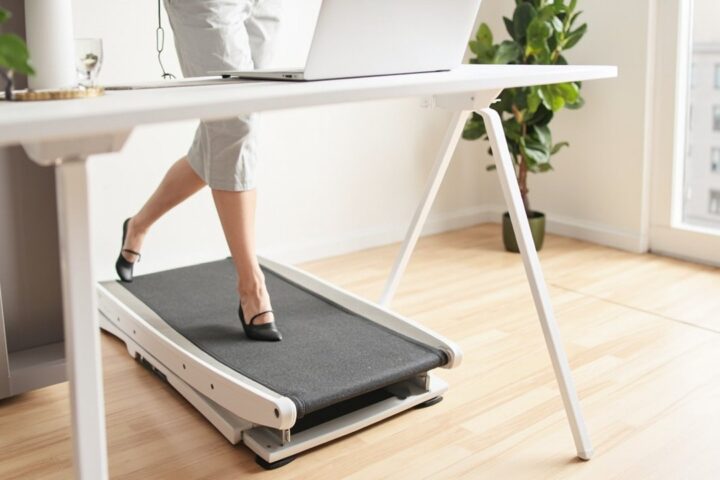
A desk setup works best when it is planned before the machine is moved into position. Start by setting the desk at a comfortable height, placing the controls where they can be reached without leaning, and checking that the viewing position feels natural. The walking surface should be long enough for a comfortable stride, with the front of the display visible without bending the neck.
Begin with an easy pace:
- Sit or stand on the machine with the belt stopped and check that the area is clear.
- Start the belt at its lowest speed, then begin walking with short, relaxed steps.
- Place your hands lightly on the desk rather than pulling down on it for balance.
- Increase the pace gradually only if your posture and breathing remain comfortable.
- Finish by slowing down and stepping off carefully after the belt stops.
Short sessions can fit naturally into a workday. Some people divide movement into brief walks between tasks, while others reserve a longer period for email or reading. There is no need to treat every session as a workout. The goal is to make movement comfortable enough that it becomes part of the day.
Keep commonly used items within reach so that starting the machine does not require leaving the zone. Reading material, a notebook, or simple audio can help, but demanding tasks may encourage a hunched posture. Over time, the best speed is usually the one that allows steady movement without encouraging tension.
Posture, comfort, and safe use
Walking on a moving belt requires more attention than it may first appear. Keep your head up, look ahead rather than down at the console, and let your arms move naturally. Avoid leaning to one side, locking the knees, or gripping the desk so tightly that the shoulders and forearms become tense.
Footwear can make a noticeable difference. Shoes should be supportive, comfortable, and suitable for walking, with enough room around the toes. A soft landing and a moderate pace are generally easier to sustain than trying to match a faster speed. If the belt feels too short for a natural stride, the walking area may be too small for comfortable use.
Start with manageable periods and increase duration gradually. If you feel unsteady, stop the belt and step off before continuing. Most machines also require basic care, such as keeping the belt clean and checking that the power cord and controls are in good condition. Follow the manufacturer’s instructions for lubrication, maintenance, and safe clearance.
If you have a health condition, experience pain, or are unsure whether exercise is appropriate for you, check with a doctor or qualified professional before using a walking pad.
Common mistakes that reduce the payoff
The most common mistake is treating the device as a reason to stay seated for hours. Movement is more valuable when it is varied and when sitting breaks are included. A walking pad can complement regular standing, stretching, and ordinary daily activity, but it should not become the only form of exercise a person does.
Another mistake is choosing speed before comfort. Moving faster does not necessarily make a session more useful, especially on a compact belt. A pace that allows relaxed breathing and a stable posture is easier to maintain and often feels more satisfying than repeatedly pushing toward a setting that does not suit the machine or the user.
Poor placement causes problems too. A pad wedged under a low desk may encourage rounded shoulders or a forward-leaning neck. One positioned too close to a wall may make entry and exit awkward. Before settling in, spend a few minutes checking the height, leg position, screen angle, and available clearance.
Finally, do not expect dramatic results from occasional use. A walking pad works best when it supports a repeatable routine. Some people set a modest target, such as a short walk after lunch; others pair it with tasks they already do. Consistency is more useful than turning every session into a personal test.
When a simpler alternative makes more sense
For light daily movement, a comfortable indoor walk, a lap around the block, or a few minutes of stretching may be enough. These options cost less, take up less space, and can vary with the weather and schedule. When the goal is simply to reduce prolonged sitting, a timer, standing desk, or short walking break may deliver the same benefit without adding equipment.
Resistance bands, exercise mats, and compact strength-training tools can support a broader home routine without requiring a large machine. An exercise bike may suit someone who prefers seated cardio, while a full treadmill offers a longer surface, more speed options, and handrails for greater variety. The best choice is the one that matches the available space and the activity you genuinely enjoy.
A walking pad is therefore not a universal solution, but it is a practical one for the right person. Look closely at floor space, noise, walking comfort, storage, and the kind of movement you want before making a decision. If the machine makes it easier to move and easier to keep moving, it may well be worth it.
Frequently asked questions
Do walking pads count as exercise?
Walking on a walking pad is a form of physical activity and can contribute to a healthy routine. Its value depends on the pace, duration, and how regularly you use it, but light walking can still help break up sitting and support daily movement.
Are walking pads suitable for running?
Most compact walking pads are designed for walking rather than running because their belts are short and their speed ranges are limited. If you want to run regularly or train at varied speeds, a full treadmill will usually offer a more suitable surface and greater stability.
Can I use a walking pad while working?
Yes, many people use walking pads for email, reading, or other low-intensity tasks. Adjust the desk height and controls for comfort, keep your posture neutral, and choose a pace that allows you to concentrate without straining.
Before buying, picture the device in its real location and imagine using it several times a week. A walking pad is most worthwhile when convenience, comfort, and a repeatable routine outweigh extra features.